Calendly自动化_calendly-automation
以下为本文档的中文说明
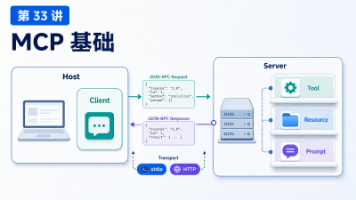
calendly-automation(Calendly 自动化)是一个通过 Rube MCP(Composio)实现 Calendly 日程调度自动化的技能。它可以自动执行 Calendly 的各种操作,包括事件列表查询、受邀者管理、日程链接创建、可用性查询和组织管理。使用场景包括:自动化会议安排流程、批量管理日程事件、查询和调整可用时间段、管理受邀者信息和日程链接。使用前需要完成以下准备工作:确保 Rube MCP 已连接且 RUBE_SEARCH_TOOLS 可用;通过 RUBE_MANAGE_CONNECTIONS 建立与 Calendly 的活动连接,工具包名为 calendly;始终先调用 RUBE_SEARCH_TOOLS 获取当前的工具模式定义(schema),因为 API 可能会发生变化;许多操作需要用户的 Calendly URI,可通过 CALENDLY_GET_CURRENT_USER 获取。Rube MCP 的接入方式非常简单:只需在客户端配置中添加 https://rube.app/mcp 作为 MCP 服务器端点即可,无需 API 密钥。该技能的核心工作流程是:先搜索可用工具,再获取当前用户信息,然后执行具体操作。它特别适合需要将日程管理集成到自动化工作流中的团队和个人,可以显著减少手动安排会议的时间成本。
Calendly Automation via Rube MCP
Automate Calendly operations including event listing, invitee management, scheduling link creation, availability queries, and organization administration through Composio’s Calendly toolkit.
Prerequisites
- Rube MCP must be connected (RUBE_SEARCH_TOOLS available)
- Active Calendly connection via
RUBE_MANAGE_CONNECTIONSwith toolkitcalendly - Always call
RUBE_SEARCH_TOOLSfirst to get current tool schemas - Many operations require the user’s Calendly URI, obtained via
CALENDLY_GET_CURRENT_USER
Setup
Get Rube MCP: Add https://rube.app/mcp as an MCP server in your client configuration. No API keys needed — just add the endpoint and it works.
- Verify Rube MCP is available by confirming
RUBE_SEARCH_TOOLSresponds - Call
RUBE_MANAGE_CONNECTIONSwith toolkitcalendly - If connection is not ACTIVE, follow the returned auth link to complete Calendly OAuth
- Confirm connection status shows ACTIVE before running any workflows
C
ore Workflows
1. List and View Scheduled Events
When to use: User wants to see their upcoming, past, or filtered Calendly events
Tool sequence:
CALENDLY_GET_CURRENT_USER- Get authenticated user URI and organization URI [Prerequisite]CALENDLY_LIST_EVENTS- List events scoped by user, organization, or group [Required]CALENDLY_GET_EVENT- Get detailed info for a specific event by UUID [Optional]
Key parameters:
user: Full Calendly API URI (e.g.,https://api.calendly.com/users/{uuid}) - NOT"me"organization: Full organization URI for org-scoped queriesstatus:"active"or"canceled"min_start_time/max_start_time: UTC timestamps (e.g.,2024-01-01T00:00:00.000000Z)invitee_email: Filter events by invitee email (filter only, not a scope)sort:"start_time:asc"or"start_time:desc"count: Results per page (default 20)page_token: Pagination token from previous response
Pitfalls:
- Exactly ONE of
user,organization, orgroupmust be provided - omitting or combining scopes fails - The
userparameter requires the full API URI, not"me"- useCALENDLY_GET_CURRENT_USERfirst invitee_emailis a filter, not a scope; you still need one of user/organization/group- Pagination uses
count+page_token; loop untilpage_tokenis absent for complete results - Admin rights may be needed for organization or group scope queries
2. Manage Event Invitees
When to use: User wants to see who is booked for events or get invitee details
Tool sequence:
CALENDLY_LIST_EVENTS- Find the target event(s) [Prerequisite]CALENDLY_LIST_EVENT_INVITEES- List all invitees for a specific event [Required]CALENDLY_GET_EVENT_INVITEE- Get detailed info for a single invitee [Optional]
Key parameters:
uuid: Event UUID (forLIST_EVENT_INVITEES)event_uuid+invitee_uuid: Both required forGET_EVENT_INVITEEemail: Filter invitees by email addressstatus:"active"or"canceled"sort:"created_at:asc"or"created_at:desc"count: Results per page (default 20)
Pitfalls:
- The
uuidparameter forCALENDLY_LIST_EVENT_INVITEESis the event UUID, not the invitee UUID - Paginate using
page_tokenuntil absent for complete invitee lists - Canceled invitees are excluded by default; use
status: "canceled"to see them
3. Create Scheduling Links and Check Availability
When to use: User wants to generate a booking link or check available time slots
Tool sequence:
CALENDLY_GET_CURRENT_USER- Get user URI [Prerequisite]CALENDLY_LIST_USER_S_EVENT_TYPES- List available event types [Required]CALENDLY_LIST_EVENT_TYPE_AVAILABLE_TIMES- Check available slots for an event type [Optional]CALENDLY_CREATE_SCHEDULING_LINK- Generate a single-use scheduling link [Required]CALENDLY_LIST_USER_AVAILABILITY_SCHEDULES- View user’s availability schedules [Optional]
Key parameters:
owner: Event type URI (e.g.,https://api.calendly.com/event_types/{uuid})owner_type:"EventType"(default)max_event_count: Must be exactly1for single-use linksstart_time/end_time: UTC timestamps for availability queries (max 7-day range)active: Boolean to filter active/inactive event typesuser: User URI for event type listing
Pitfalls:
CALENDLY_CREATE_SCHEDULING_LINKcan return 403 if token lacks rights or owner URI is invalidCALENDLY_LIST_EVENT_TYPE_AVAILABLE_TIMESrequires UTC timestamps and max 7-day range; split longer searches- Available times results are NOT paginated - all results returned in one response
- Event type URIs must be full API URIs (e.g.,
https://api.calendly.com/event_types/...)
4. Cancel Events
When to use: User wants to cancel a scheduled Calendly event
Tool sequence:
CALENDLY_LIST_EVENTS- Find the event to cancel [Prerequisite]CALENDLY_GET_EVENT- Confirm event details before cancellation [Prerequisite]CALENDLY_LIST_EVENT_INVITEES- Check who will be affected [Optional
]CALENDLY_CANCEL_EVENT- Cancel the event [Required]
Key parameters:
uuid: Event UUID to cancelreason: Optional cancellation reason (may be included in notification to invitees)
Pitfalls:
- Cancellation is IRREVERSIBLE - always confirm with the user before calling
- Cancellation may trigger notifications to invitees
- Only active events can be canceled; already-canceled events return errors
- Get explicit user confirmation before executing
CALENDLY_CANCEL_EVENT
5. Manage Organization and Invitations
When to use: User wants to invite members, manage organization, or handle org invitations
Tool sequence:
CALENDLY_GET_CURRENT_USER- Get user and organization context [Prerequisite]CALENDLY_GET_ORGANIZATION- Get organization details [Optional]CALENDLY_LIST_ORGANIZATION_INVITATIONS- Check existing invitations [Optional]CALENDLY_CREATE_ORGANIZATION_INVITATION- Send an org invitation [Required]CALENDLY_REVOKE_USER_S_ORGANIZATION_INVITATION- Revoke a pending invitation [Optional]CALENDLY_REMOVE_USER_FROM_ORGANIZATION- Remove a member [Optional]
Key parameters:
uuid: Organization UUIDemail: Email address of user to invitestatus: Filter invitations by"pending","accepted", or"declined"
Pitfalls:
- Only org owners/admins can manage invitations and removals; others get authorization errors
- Duplicate active invitations for the same email are rejected - check existing invitations first
- Organization owners cannot be removed via
CALENDLY_REMOVE_USER_FROM_ORGANIZATION - Invitation statuses include pending, accepted, declined, and revoked - handle each appropriately
Common Patterns
ID Resolution
Calendly uses full API URIs as identifiers, not simple IDs:
- Current user URI:
CALENDLY_GET_CURRENT_USERreturnsresource.uri(e.g.,https://api.calendly.com/users/{uuid}) - Organization URI: Found in current user response at
resource.current_organization - Event UUID: Extract from event URI or list responses
- Event type URI: From
CALENDLY_LIST_USER_S_EVENT_TYPESresponse
Important: Never use "me" as a user parameter in list/filter endpoints. Always resolve to the full URI first.
Pagination
Most Calendly list endpoints use token-based pagination:
- Set
countfor page size (default 20) - Follow
page_tokenfrompagination.next_page_tokenuntil absent - Sort with
field:directionformat (e.g.,start_time:asc,created_at:desc)
Time Handling
- All timestamps must be in UTC format:
yyyy-MM-ddTHH:mm:ss.ffffffZ - Use
min_start_time/max_start_timefor date range filtering on events - Available times queries have a maximum 7-day range; split longer searches into multiple calls
Known Pitfalls
URI Formats
- All entity references use full Calendly API URIs (e.g.,
https://api.calendly.com/users/{uuid}) - Never pass bare UUIDs where URIs are expected, and never pass
"me"to list endpoints - Extract UUIDs from URIs when tools expect UUID parameters (e.g.,
CALENDLY_GET_EVENT)
Scope Requirements
CALENDLY_LIST_EVENTSrequires exactly one scope (user, organization, or group) - no more, no less- Organization/group scoped queries may require admin privileges
- Token scope determines which operations are available; 403 errors indicate insufficient permissions
Data Relationships
- Events have invitees (attendees who booked)
- Event types define scheduling pages (duration, availability rules)
- Organizations contain users and groups
- Scheduling links are tied to event types, not directly to events
Rate Limits
- Calendly API has rate limits; avoid tight loops over large datasets
- Paginate responsibly and add delays for batch operations
Quick Reference
| Task | Tool Slug | Key Params |
|---|---|---|
| Get current user | CALENDLY_GET_CURRENT_USER |
(none) |
| Get user by UUID | CALENDLY_GET_USER |
uuid |
| List events | CALENDLY_LIST_EVENTS |
user, status, min_start_time |
| Get event details | CALENDLY_GET_EVENT |
|
uuid |
||
| Cancel event | CALENDLY_CANCEL_EVENT |
uuid, reason |
| List invitees | CALENDLY_LIST_EVENT_INVITEES |
uuid, status, email |
| Get invitee | CALENDLY_GET_EVENT_INVITEE |
event_uuid, invitee_uuid |
| List event types | CALENDLY_LIST_USER_S_EVENT_TYPES |
user, active |
| Get event type | CALENDLY_GET_EVENT_TYPE |
uuid |
| Check availability | CALENDLY_LIST_EVENT_TYPE_AVAILABLE_TIMES |
event type URI, start_time, end_time |
| Create scheduling link | CALENDLY_CREATE_SCHEDULING_LINK |
owner, max_event_count |
| List availability schedules | CALENDLY_LIST_USER_AVAILABILITY_SCHEDULES |
user URI |
| Get organization | CALENDLY_GET_ORGANIZATION |
uuid |
| Invite to org | CALENDLY_CREATE_ORGANIZATION_INVITATION |
uuid, email |
| List org invitations | CALENDLY_LIST_ORGANIZATION_INVITATIONS |
uuid, status |
| Revoke org invitation | CALENDLY_REVOKE_USER_S_ORGANIZATION_INVITATION |
org UUID, invitation UUID |
| Remove from org | CALENDLY_REMOVE_USER_FROM_ORGANIZATION |
membership UUID |
When to Use
This skill is applicable to execute the workflow or actions described in the overview.
Limitations
- Use this skill only when the task clearly matches the scope described above.
- Do not treat the output as a substitute for environment-specific validation, testing, or expert review.
- Stop and ask for clarification if required inputs, permissions, safety boundaries, or success criteria are missing.

欢迎加入 MCP 技术社区!与志同道合者携手前行,一同解锁 MCP 技术的无限可能!
更多推荐

 0
0 0
0- 0


 已为社区贡献47条内容

所有评论(0)