【Agents篇】10:人机协作——从指导者到平等伙伴
🎯 系列定位:本文是 AI Agents 系列的第10篇,深入探讨人机协作(Human-Agent Collaboration)的理论基础、设计模式与实践应用。
📖 阅读时长:约35分钟
🔑 关键词:Human-in-the-Loop、人机协作、教育AI、医疗AI、创意协作、信任机制、控制权分配
📚 目录
- 1. 引言:从工具到伙伴的范式转变
- 2. Human-in-the-Loop:人类在环的核心理念
- 3. 教育领域的人机协作
- 4. 医疗领域的人机协作
- 5. 创意领域的人机协作
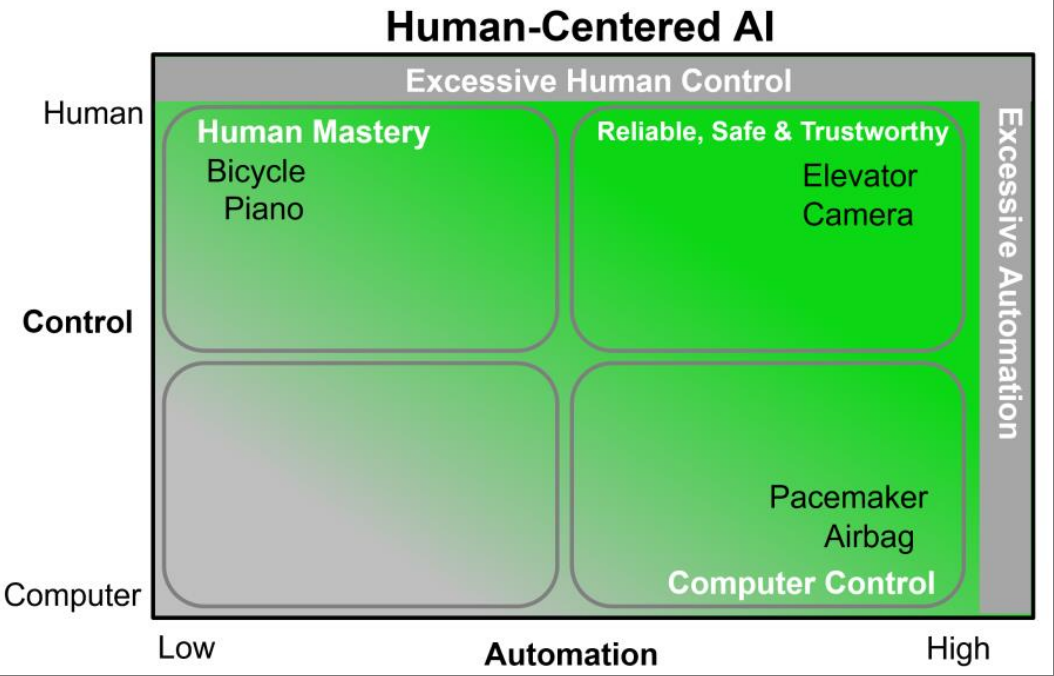
- 6. 信任与控制:人机协作的核心张力
- 7. 人机协作的架构设计
- 8. 从指导者到平等伙伴:协作关系的演进
- 9. 实战项目:构建自适应人机协作系统
- 10. 总结与思考
- 参考文献
1. 引言:从工具到伙伴的范式转变
在人工智能的发展历程中,人与机器的关系经历了深刻的变革。从最初的计算器、搜索引擎,到今天的智能Agent,AI系统正在从被动的"工具"逐渐演变为主动的"伙伴"。这种转变不仅仅是技术层面的进步,更是人机交互范式的根本性革新。
┌─────────────────────────────────────────────────────────────────────┐
│                    人机关系的演进历程                                  │
├─────────────────────────────────────────────────────────────────────┤
│                                                                       │
│   1950s-1980s        1990s-2010s        2010s-2020s       2020s+     │
│   ┌─────────┐       ┌─────────┐        ┌─────────┐      ┌─────────┐ │
│   │  工具   │  ──▶  │  助手   │  ──▶  │  顾问   │ ──▶ │  伙伴   │ │
│   │         │       │         │        │         │      │         │ │
│   │人类主导 │       │人类指令 │        │人类决策 │      │协同决策 │ │
│   │机器执行 │       │机器响应 │        │机器建议 │      │共同成长 │ │
│   └─────────┘       └─────────┘        └─────────┘      └─────────┘ │
│                                                                       │
│   特点:              特点:             特点:           特点:       │
│   • 单向命令          • 问答交互         • 主动推荐       • 双向学习   │
│   • 确定性输出        • 信息检索         • 场景理解       • 意图对齐   │
│   • 无状态            • 简单状态         • 上下文感知     • 自主协作   │
│                                                                       │
└─────────────────────────────────────────────────────────────────────┘
💡 思考:为什么我们需要从"指导者-被指导者"的关系转向"平等伙伴"关系?
🤔 解答:传统的人机交互模式将人类置于绝对主导地位,AI只是执行命令的工具。但随着AI能力的提升,这种模式暴露出几个问题:
- 效率瓶颈:人类需要提供详尽的指令,无法发挥AI的主动性
- 能力浪费:AI具备的创造力和洞察力未被充分利用
- 协作深度:难以实现真正的思维碰撞和知识共创
- 适应性差:固定的主从关系无法应对复杂多变的任务场景
平等伙伴关系允许AI在适当的时候主动提供建议、质疑人类的决策、甚至引领某些任务环节,从而实现1+1>2的协作效果。
本文将深入探讨人机协作的核心机制、关键领域应用,以及如何构建既高效又安全的协作系统。
2. Human-in-the-Loop:人类在环的核心理念
2.1 HITL的定义与演进
Human-in-the-Loop(HITL) 是一种将人类判断嵌入到AI系统决策过程中的设计理念。它强调在关键节点保持人类的参与和监督,确保AI系统的输出符合人类的价值观和期望。
┌──────────────────────────────────────────────────────────────────┐
│                   HITL 系统的基本架构                              │
├──────────────────────────────────────────────────────────────────┤
│                                                                    │
│    输入数据                                                         │
│       │                                                            │
│       ▼                                                            │
│  ┌─────────────┐                                                   │
│  │   AI处理    │                                                   │
│  │   模块      │                                                   │
│  └──────┬──────┘                                                   │
│         │                                                          │
│         ▼                                                          │
│  ┌─────────────┐    不确定/高风险    ┌─────────────┐              │
│  │  置信度     │ ─────────────────▶ │   人类      │              │
│  │  评估      │                      │   审核      │              │
│  └──────┬──────┘                      └──────┬──────┘              │
│         │                                     │                    │
│         │ 高置信度                            │ 反馈/修正           │
│         │                                     │                    │
│         ▼                                     ▼                    │
│  ┌─────────────┐                      ┌─────────────┐              │
│  │  自动执行   │ ◀─────────────────── │  执行决策   │              │
│  └──────┬──────┘                      └─────────────┘              │
│         │                                                          │
│         ▼                                                          │
│      输出结果                                                       │
│         │                                                          │
│         ▼                                                          │
│  ┌─────────────┐                                                   │
│  │  学习更新   │ ◀──── 人类反馈持续改进模型                          │
│  └─────────────┘                                                   │
│                                                                    │
└──────────────────────────────────────────────────────────────────┘
HITL的演进经历了三个主要阶段:
第一阶段:被动审核(Passive Review)
- 人类在AI输出后进行审核
- 主要用于质量控制和错误纠正
- 人机交互是串行的、单向的
第二阶段:主动干预(Active Intervention)
- 人类可以在AI处理过程中介入
- AI会在不确定时主动请求人类帮助
- 开始出现双向交互
第三阶段:协同决策(Collaborative Decision)
- 人类和AI共同参与决策过程
- 各自发挥优势,互补不足
- 实现真正的协作关系
2.2 HITL的设计模式
根据人类参与的时机和方式,HITL系统可以分为以下几种设计模式:
from enum import Enum
from typing import Any, Callable, Optional
from dataclasses import dataclass
import asyncio

class HITLMode(Enum):
    """HITL交互模式"""
    APPROVAL = "approval"           # 审批模式:AI提议,人类批准
    EXCEPTION = "exception"         # 异常模式:仅异常时人类介入
    COLLABORATIVE = "collaborative" # 协作模式:人机共同工作
    SUPERVISED = "supervised"       # 监督模式:人类全程监督
    AUTONOMOUS = "autonomous"       # 自主模式:AI自主决策,事后审计

@dataclass
class HITLConfig:
    """HITL系统配置"""
    mode: HITLMode
    confidence_threshold: float = 0.85      # 置信度阈值
    risk_threshold: float = 0.3             # 风险阈值
    max_wait_time: int = 300                # 最大等待人类响应时间(秒)
    auto_escalate: bool = True              # 超时是否自动升级
    learning_enabled: bool = True           # 是否启用从人类反馈学习

class HITLDecision:
    """HITL决策封装"""
    def __init__(self, action: str, confidence: float, risk_level: float):
        self.action = action
        self.confidence = confidence
        self.risk_level = risk_level
        self.human_approved: Optional[bool] = None
        self.human_feedback: Optional[str] = None
        self.modified_action: Optional[str] = None

    def needs_human_review(self, config: HITLConfig) -> bool:
        """判断是否需要人类审核"""
        if config.mode == HITLMode.SUPERVISED:
            return True
        if config.mode == HITLMode.AUTONOMOUS:
            return False
        if config.mode == HITLMode.APPROVAL:
            return True
        # 异常模式和协作模式:基于置信度和风险评估
        return (self.confidence < config.confidence_threshold or
                self.risk_level > config.risk_threshold)

class HITLSystem:
    """Human-in-the-Loop 系统核心实现"""

    def __init__(self, config: HITLConfig):
        self.config = config
        self.pending_decisions = {}
        self.decision_history = []
        self.human_interface = None

    def set_human_interface(self, interface: Callable):
        """设置人类交互接口"""
        self.human_interface = interface

    async def process_decision(self, decision: HITLDecision) -> HITLDecision:
        """处理决策,根据配置决定是否需要人类参与"""

        if decision.needs_human_review(self.config):
            # 需要人类审核
            decision = await self._request_human_review(decision)
        else:
            # 自动批准
            decision.human_approved = True

        # 记录决策历史(用于学习)
        self.decision_history.append(decision)

        # 如果启用学习,更新模型
        if self.config.learning_enabled:
            await self._learn_from_decision(decision)

        return decision

    async def _request_human_review(self, decision: HITLDecision) -> HITLDecision:
        """请求人类审核"""
        if not self.human_interface:
            raise ValueError("Human interface not configured")

        # 生成审核请求
        review_request = self._format_review_request(decision)

        try:
            # 异步等待人类响应
            response = await asyncio.wait_for(
                self.human_interface(review_request),
                timeout=self.config.max_wait_time
            )

            decision.human_approved = response.get('approved', False)
            decision.human_feedback = response.get('feedback', '')
            decision.modified_action = response.get('modified_action')

        except asyncio.TimeoutError:
            # 超时处理
            if self.config.auto_escalate:
                decision = await self._escalate_decision(decision)
            else:
                decision.human_approved = False
                decision.human_feedback = "Timeout - auto rejected"

        return decision

    def _format_review_request(self, decision: HITLDecision) -> dict:
        """格式化审核请求"""
        return {
            'action': decision.action,
            'confidence': decision.confidence,
            'risk_level': decision.risk_level,
            'context': self._get_decision_context(decision),
            'suggested_options': self._generate_alternatives(decision),
            'deadline': self.config.max_wait_time
        }

    async def _learn_from_decision(self, decision: HITLDecision):
        """从人类决策中学习"""
        if decision.human_approved is not None:
            learning_signal = {
                'original_action': decision.action,
                'was_approved': decision.human_approved,
                'feedback': decision.human_feedback,
                'modified_action': decision.modified_action,
                'confidence_was': decision.confidence,
                'risk_was': decision.risk_level
            }
            # 这里可以接入在线学习模块
            await self._update_model(learning_signal)

    async def _escalate_decision(self, decision: HITLDecision) -> HITLDecision:
        """升级决策(超时或高风险)"""
        # 实现升级逻辑,如通知更高级别的审核者
        pass

    def _get_decision_context(self, decision: HITLDecision) -> dict:
        """获取决策上下文"""
        return {}

    def _generate_alternatives(self, decision: HITLDecision) -> list:
        """生成可选方案"""
        return []

    async def _update_model(self, learning_signal: dict):
        """更新模型"""
        pass

# 使用示例
async def example_usage():
    """HITL系统使用示例"""

    # 配置协作模式的HITL系统
    config = HITLConfig(
        mode=HITLMode.COLLABORATIVE,
        confidence_threshold=0.8,
        risk_threshold=0.4
    )

    hitl = HITLSystem(config)

    # 设置人类交互接口(实际应用中连接到UI)
    async def human_interface(request):
        print(f"需要人类审核: {request['action']}")
        print(f"置信度: {request['confidence']:.2%}")
        print(f"风险等级: {request['risk_level']:.2%}")
        # 模拟人类响应
        return {
            'approved': True,
            'feedback': '同意执行,但请注意XXX',
            'modified_action': None
        }

    hitl.set_human_interface(human_interface)

    # 处理一个决策
    decision = HITLDecision(
        action="发送重要邮件给客户",
        confidence=0.75,  # 低于阈值,需要审核
        risk_level=0.5    # 高于阈值,需要审核
    )

    result = await hitl.process_decision(decision)
    print(f"决策结果: {'批准' if result.human_approved else '拒绝'}")
    print(f"人类反馈: {result.human_feedback}")

# 运行示例
# asyncio.run(example_usage())
💡 思考:在实际应用中,如何确定置信度阈值和风险阈值?
🤔 解答:阈值的设定是一个需要权衡效率与安全的问题,通常采用以下方法:
- 历史数据分析:统计过去人类审核的结果,找出误判率可接受的阈值
- 领域专家标定:邀请领域专家根据业务特点设定初始阈值
- A/B测试:在实际环境中测试不同阈值的效果
- 动态调整:根据系统运行表现,持续优化阈值
- 差异化设置:对不同类型的任务设置不同的阈值
2.3 实现HITL系统的关键技术
2.3.1 不确定性量化
准确评估AI决策的不确定性是HITL系统的基础:
import numpy as np
from typing import List, Tuple
from scipy.stats import entropy

class UncertaintyQuantifier:
    """不确定性量化器"""

    def __init__(self, method: str = "ensemble"):
        self.method = method

    def quantify(self, predictions: np.ndarray) -> Tuple[float, str]:
        """
        量化预测的不确定性

        Args:
            predictions: 预测概率分布或多个模型的预测结果

        Returns:
            uncertainty_score: 不确定性分数 (0-1)
            uncertainty_type: 不确定性类型
        """
        if self.method == "entropy":
            return self._entropy_based(predictions)
        elif self.method == "ensemble":
            return self._ensemble_based(predictions)
        elif self.method == "mc_dropout":
            return self._mc_dropout_based(predictions)
        else:
            raise ValueError(f"Unknown method: {self.method}")

    def _entropy_based(self, probs: np.ndarray) -> Tuple[float, str]:
        """基于熵的不确定性(数据不确定性)"""
        # 计算预测熵
        ent = entropy(probs)
        # 归一化到0-1
        max_entropy = np.log(len(probs))
        normalized_ent = ent / max_entropy if max_entropy > 0 else 0
        return normalized_ent, "aleatoric"

    def _ensemble_based(self, ensemble_preds: np.ndarray) -> Tuple[float, str]:
        """
        基于集成的不确定性(模型不确定性)

        Args:
            ensemble_preds: shape (n_models, n_classes) 的预测矩阵
        """
        # 计算模型间的不一致性
        mean_pred = np.mean(ensemble_preds, axis=0)
        variance = np.mean(np.var(ensemble_preds, axis=0))

        # 计算预测熵
        pred_entropy = entropy(mean_pred)
        max_entropy = np.log(len(mean_pred))
        normalized_ent = pred_entropy / max_entropy if max_entropy > 0 else 0

        # 综合考虑方差和熵
        uncertainty = 0.5 * variance + 0.5 * normalized_ent
        return min(uncertainty, 1.0), "epistemic"

    def _mc_dropout_based(self, mc_samples: np.ndarray) -> Tuple[float, str]:
        """
        基于MC Dropout的不确定性

        Args:
            mc_samples: shape (n_samples, n_classes) 的预测矩阵
        """
        # 与集成方法类似,但来源是同一模型的多次随机前向传播
        return self._ensemble_based(mc_samples)

class RiskAssessor:
    """风险评估器"""

    def __init__(self, risk_factors: dict):
        """
        Args:
            risk_factors: 风险因素及其权重
            例如: {'financial_impact': 0.3, 'reversibility': 0.25,
                   'affected_users': 0.25, 'regulatory': 0.2}
        """
        self.risk_factors = risk_factors

    def assess(self, action_context: dict) -> Tuple[float, dict]:
        """
        评估行动的风险

        Args:
            action_context: 行动上下文信息

        Returns:
            risk_score: 综合风险分数 (0-1)
            risk_breakdown: 各风险因素的详细分数
        """
        risk_breakdown = {}
        total_weight = 0
        weighted_risk = 0

        for factor, weight in self.risk_factors.items():
            if factor in action_context:
                factor_risk = self._evaluate_factor(factor, action_context[factor])
                risk_breakdown[factor] = factor_risk
                weighted_risk += factor_risk * weight
                total_weight += weight

        risk_score = weighted_risk / total_weight if total_weight > 0 else 0.5
        return risk_score, risk_breakdown

    def _evaluate_factor(self, factor: str, value: any) -> float:
        """评估单个风险因素"""
        evaluators = {
            'financial_impact': self._evaluate_financial,
            'reversibility': self._evaluate_reversibility,
            'affected_users': self._evaluate_affected_users,
            'regulatory': self._evaluate_regulatory,
            'reputation': self._evaluate_reputation
        }

        evaluator = evaluators.get(factor, lambda x: 0.5)
        return evaluator(value)

    def _evaluate_financial(self, amount: float) -> float:
        """评估财务影响风险"""
        thresholds = [100, 1000, 10000, 100000]
        for i, t in enumerate(thresholds):
            if amount < t:
                return i * 0.25
        return 1.0

    def _evaluate_reversibility(self, is_reversible: bool) -> float:
        """评估可逆性风险"""
        return 0.2 if is_reversible else 0.8

    def _evaluate_affected_users(self, count: int) -> float:
        """评估影响用户数风险"""
        if count <= 1:
            return 0.1
        elif count <= 10:
            return 0.3
        elif count <= 100:
            return 0.5
        elif count <= 1000:
            return 0.7
        else:
            return 0.9

    def _evaluate_regulatory(self, involves_pii: bool) -> float:
        """评估监管合规风险"""
        return 0.8 if involves_pii else 0.2

    def _evaluate_reputation(self, is_public: bool) -> float:
        """评估声誉风险"""
        return 0.7 if is_public else 0.3
2.3.2 主动学习与反馈闭环
from typing import List, Dict, Callable
from collections import deque
import random

class ActiveLearningModule:
    """主动学习模块:从人类反馈中持续学习"""

    def __init__(self,
                 sample_strategy: str = "uncertainty",
                 buffer_size: int = 1000,
                 learning_rate: float = 0.01):
        self.sample_strategy = sample_strategy
        self.feedback_buffer = deque(maxlen=buffer_size)
        self.learning_rate = learning_rate
        self.model_version = 0

    def record_feedback(self,
                        original_input: any,
                        ai_decision: any,
                        human_decision: any,
                        uncertainty: float,
                        context: dict):
        """记录人类反馈"""
        feedback_record = {
            'input': original_input,
            'ai_decision': ai_decision,
            'human_decision': human_decision,
            'uncertainty': uncertainty,
            'context': context,
            'timestamp': self._get_timestamp(),
            'model_version': self.model_version
        }
        self.feedback_buffer.append(feedback_record)

        # 检查是否触发学习
        if self._should_trigger_learning():
            self._trigger_learning()

    def select_samples_for_review(self,
                                   candidates: List[dict],
                                   budget: int) -> List[dict]:
        """
        选择最有价值的样本请求人类标注

        Args:
            candidates: 候选样本列表
            budget: 标注预算(可请求标注的数量)

        Returns:
            selected: 选中的样本
        """
        if self.sample_strategy == "uncertainty":
            return self._uncertainty_sampling(candidates, budget)
        elif self.sample_strategy == "diversity":
            return self._diversity_sampling(candidates, budget)
        elif self.sample_strategy == "hybrid":
            return self._hybrid_sampling(candidates, budget)
        else:
            return random.sample(candidates, min(budget, len(candidates)))

    def _uncertainty_sampling(self,
                               candidates: List[dict],
                               budget: int) -> List[dict]:
        """不确定性采样:选择AI最不确定的样本"""
        sorted_candidates = sorted(
            candidates,
            key=lambda x: x.get('uncertainty', 0),
            reverse=True
        )
        return sorted_candidates[:budget]

    def _diversity_sampling(self,
                            candidates: List[dict],
                            budget: int) -> List[dict]:
        """多样性采样:选择最具多样性的样本"""
        # 简化实现:基于特征的聚类采样
        # 实际应用中可使用更复杂的聚类算法
        selected = []
        remaining = candidates.copy()

        while len(selected) < budget and remaining:
            if not selected:
                # 第一个样本随机选择
                idx = random.randint(0, len(remaining) - 1)
            else:
                # 选择与已选样本最不相似的
                idx = self._find_most_diverse(remaining, selected)

            selected.append(remaining.pop(idx))

        return selected

    def _hybrid_sampling(self,
                         candidates: List[dict],
                         budget: int) -> List[dict]:
        """混合采样:平衡不确定性和多样性"""
        # 先按不确定性选择2倍数量的候选
        uncertain_pool = self._uncertainty_sampling(candidates, budget * 2)
        # 再从中选择多样性最高的
        return self._diversity_sampling(uncertain_pool, budget)

    def _find_most_diverse(self,
                           candidates: List[dict],
                           selected: List[dict]) -> int:
        """找到与已选样本最不相似的候选"""
        max_distance = -1
        max_idx = 0

        for i, candidate in enumerate(candidates):
            min_similarity = min(
                self._compute_similarity(candidate, s)
                for s in selected
            )
            if min_similarity > max_distance:
                max_distance = min_similarity
                max_idx = i

        return max_idx

    def _compute_similarity(self, a: dict, b: dict) -> float:
        """计算两个样本的相似度"""
        # 简化实现,实际应用中需要根据任务设计特征
        return 0.5

    def _should_trigger_learning(self) -> bool:
        """判断是否应该触发学习"""
        # 积累足够反馈后触发
        return len(self.feedback_buffer) >= 100

    def _trigger_learning(self):
        """触发模型更新"""
        # 从反馈中学习
        learning_data = list(self.feedback_buffer)
        # 这里接入实际的模型更新逻辑
        self.model_version += 1
        print(f"Model updated to version {self.model_version}")

    def _get_timestamp(self):
        """获取当前时间戳"""
        import time
        return time.time()
3. 教育领域的人机协作
教育是人机协作最具潜力的应用领域之一。AI不应该取代教师,而应该成为教师和学生的得力助手,实现个性化教育的规模化。
3.1 AI作为学习伙伴
┌────────────────────────────────────────────────────────────────────┐
│                   AI学习伙伴的角色定位                               │
├────────────────────────────────────────────────────────────────────┤
│                                                                      │
│                        ┌─────────────┐                              │
│                        │    学生     │                              │
│                        └──────┬──────┘                              │
│                               │                                      │
│              ┌────────────────┼────────────────┐                    │
│              │                │                │                    │
│              ▼                ▼                ▼                    │
│     ┌─────────────┐  ┌─────────────┐  ┌─────────────┐              │
│     │  AI导师    │  │  AI学伴    │  │  AI教练    │              │
│     │            │  │            │  │            │              │
│     │ • 知识讲解 │  │ • 协作学习 │  │ • 技能训练 │              │
│     │ • 答疑解惑 │  │ • 讨论交流 │  │ • 刻意练习 │              │
│     │ • 学习路径 │  │ • 相互启发 │  │ • 反馈纠正 │              │
│     └─────────────┘  └─────────────┘  └─────────────┘              │
│              │                │                │                    │
│              └────────────────┼────────────────┘                    │
│                               │                                      │
│                               ▼                                      │
│                      ┌─────────────┐                                │
│                      │   教师     │                                │
│                      │            │                                │
│                      │ • 监督指导 │                                │
│                      │ • 情感支持 │                                │
│                      │ • 价值引导 │                                │
│                      └─────────────┘                                │
│                                                                      │
└────────────────────────────────────────────────────────────────────┘
3.2 苏格拉底式教学Agent
苏格拉底式教学强调通过提问引导学生自主思考,而非直接给出答案。这种方式特别适合AI实现:
from typing import List, Dict, Optional
from enum import Enum
from dataclasses import dataclass
import json

class QuestionType(Enum):
    """问题类型"""
    CLARIFYING = "clarifying"           # 澄清型:帮助明确问题
    PROBING = "probing"                 # 探究型:深入思考
    CHALLENGING = "challenging"         # 挑战型:质疑假设
    CONNECTING = "connecting"           # 关联型:建立联系
    REFLECTIVE = "reflective"           # 反思型:自我评估

@dataclass
class LearningState:
    """学习状态"""
    topic: str
    current_understanding: float      # 0-1,当前理解程度
    misconceptions: List[str]         # 已识别的误解
    mastered_concepts: List[str]      # 已掌握的概念
    struggling_areas: List[str]       # 困难领域
    engagement_level: float           # 参与度
    frustration_level: float          # 挫折感

class SocraticTeachingAgent:
    """苏格拉底式教学Agent"""

    def __init__(self, subject: str, llm_client):
        self.subject = subject
        self.llm = llm_client
        self.conversation_history = []
        self.learning_state = None
        self.question_bank = {}

    def initialize_session(self,
                           student_profile: dict,
                           topic: str) -> str:
        """初始化教学会话"""
        self.learning_state = LearningState(
            topic=topic,
            current_understanding=self._assess_prior_knowledge(student_profile, topic),
            misconceptions=[],
            mastered_concepts=[],
            struggling_areas=[],
            engagement_level=0.7,
            frustration_level=0.0
        )

        # 生成开场问题
        opening_question = self._generate_opening_question(topic)
        self.conversation_history.append({
            'role': 'agent',
            'content': opening_question,
            'question_type': QuestionType.PROBING.value
        })

        return opening_question

    def respond_to_student(self, student_response: str) -> str:
        """响应学生的回答"""
        # 记录学生回答
        self.conversation_history.append({
            'role': 'student',
            'content': student_response
        })

        # 分析学生回答
        analysis = self._analyze_response(student_response)

        # 更新学习状态
        self._update_learning_state(analysis)

        # 检查是否需要人类教师介入
        if self._needs_human_intervention():
            return self._request_teacher_help()

        # 决定下一步教学策略
        strategy = self._decide_teaching_strategy(analysis)

        # 生成苏格拉底式回应
        response = self._generate_socratic_response(analysis, strategy)

        self.conversation_history.append({
            'role': 'agent',
            'content': response,
            'strategy': strategy,
            'analysis': analysis
        })

        return response

    def _analyze_response(self, response: str) -> dict:
        """分析学生回答"""
        prompt = f"""
        分析以下学生关于"{self.learning_state.topic}"的回答:

        学生回答:{response}

        之前的对话:{json.dumps(self.conversation_history[-6:], ensure_ascii=False)}

        请分析:
        1. 理解程度 (0-1)
        2. 是否存在误解?具体是什么?
        3. 展现了哪些正确理解?
        4. 情感状态(积极/中性/消极/困惑/挫折)
        5. 需要进一步探讨的方向

        以JSON格式返回分析结果。
        """

        # 调用LLM进行分析
        analysis_result = self.llm.generate(prompt)
        return self._parse_analysis(analysis_result)

    def _decide_teaching_strategy(self, analysis: dict) -> dict:
        """决定教学策略"""
        strategy = {
            'question_type': None,
            'scaffolding_level': 'medium',
            'focus_area': None,
            'approach': None
        }

        understanding = analysis.get('understanding_level', 0.5)
        emotion = analysis.get('emotion', 'neutral')
        misconceptions = analysis.get('misconceptions', [])

        # 处理挫折感
        if emotion == 'frustrated' or self.learning_state.frustration_level > 0.7:
            strategy['scaffolding_level'] = 'high'
            strategy['approach'] = 'supportive'
            strategy['question_type'] = QuestionType.CLARIFYING

        # 处理误解
        elif misconceptions:
            strategy['question_type'] = QuestionType.CHALLENGING
            strategy['focus_area'] = misconceptions[0]
            strategy['approach'] = 'gentle_challenge'

        # 理解良好,推进深度
        elif understanding > 0.7:
            strategy['question_type'] = QuestionType.CONNECTING
            strategy['scaffolding_level'] = 'low'
            strategy['approach'] = 'extend'

        # 理解中等,继续探究
        else:
            strategy['question_type'] = QuestionType.PROBING
            strategy['approach'] = 'deepen'

        return strategy

    def _generate_socratic_response(self, analysis: dict, strategy: dict) -> str:
        """生成苏格拉底式回应"""
        question_type = strategy['question_type']

        # 根据问题类型生成不同的引导
        type_prompts = {
            QuestionType.CLARIFYING: "帮助学生澄清他们的想法,用'你说的...是指...吗?'这样的问法",
            QuestionType.PROBING: "引导学生深入思考,用'为什么会这样?''如果...会怎样?'这样的问法",
            QuestionType.CHALLENGING: "温和地质疑学生的假设,用'你确定...吗?''有没有其他可能?'这样的问法",
            QuestionType.CONNECTING: "帮助学生建立知识联系,用'这和...有什么关系?''你能举个例子吗?'这样的问法",
            QuestionType.REFLECTIVE: "引导学生反思学习过程,用'你是怎么想到的?''你的理解有什么变化?'这样的问法"
        }

        prompt = f"""
        你是一位采用苏格拉底式教学法的AI导师,正在教授"{self.subject}"中的"{self.learning_state.topic}"。

        对话历史:
        {json.dumps(self.conversation_history[-6:], ensure_ascii=False)}

        学生回答分析:
        {json.dumps(analysis, ensure_ascii=False)}

        教学策略:
        - 问题类型:{question_type.value}
        - 支架水平:{strategy['scaffolding_level']}
        - 关注领域:{strategy.get('focus_area', '继续当前话题')}

        生成指南:
        - {type_prompts.get(question_type, '')}
        - 不要直接告诉答案,而是引导学生自己发现
        - 先肯定学生做得好的地方,再引导改进
        - 保持鼓励和支持的语气
        - 如果学生明显困惑,可以给予适当的提示

        请生成下一轮对话回应(包含引导性问题):
        """

        return self.llm.generate(prompt)

    def _needs_human_intervention(self) -> bool:
        """判断是否需要人类教师介入"""
        # 持续高挫折感
        if self.learning_state.frustration_level > 0.8:
            return True

        # 参与度持续下降
        if self.learning_state.engagement_level < 0.3:
            return True

        # 多轮后理解度无提升
        if (len(self.conversation_history) > 10 and
            self.learning_state.current_understanding < 0.3):
            return True

        # 检测到敏感情感状态
        recent_emotions = self._get_recent_emotions()
        if 'distressed' in recent_emotions or 'upset' in recent_emotions:
            return True

        return False

    def _request_teacher_help(self) -> str:
        """请求教师帮助"""
        summary = self._generate_session_summary()

        # 通知教师(实际应用中会触发通知系统)
        self._notify_teacher(summary)

        # 对学生的回应
        return """
        我注意到你可能在这个部分遇到了一些困难。
        我已经通知了老师,他/她会很快来帮助你。
        在等待的时候,你想要:
        1. 回顾一下我们之前讨论的内容?
        2. 尝试一个相关但更简单的问题?
        3. 休息一下,稍后继续?

        无论你遇到什么困难,都是学习过程中正常的一部分。坚持思考是很棒的!
        """

    def _update_learning_state(self, analysis: dict):
        """更新学习状态"""
        # 更新理解程度
        new_understanding = analysis.get('understanding_level',
                                          self.learning_state.current_understanding)
        self.learning_state.current_understanding = (
            0.7 * self.learning_state.current_understanding +
            0.3 * new_understanding
        )

        # 更新误解列表
        new_misconceptions = analysis.get('misconceptions', [])
        for m in new_misconceptions:
            if m not in self.learning_state.misconceptions:
                self.learning_state.misconceptions.append(m)

        # 更新已掌握概念
        correct_understandings = analysis.get('correct_understandings', [])
        for c in correct_understandings:
            if c not in self.learning_state.mastered_concepts:
                self.learning_state.mastered_concepts.append(c)

        # 更新情感状态
        emotion = analysis.get('emotion', 'neutral')
        if emotion in ['frustrated', 'confused']:
            self.learning_state.frustration_level = min(
                1.0, self.learning_state.frustration_level + 0.1
            )
        else:
            self.learning_state.frustration_level = max(
                0.0, self.learning_state.frustration_level - 0.05
            )

    def _assess_prior_knowledge(self, profile: dict, topic: str) -> float:
        """评估先验知识"""
        return profile.get('prior_knowledge', {}).get(topic, 0.5)

    def _generate_opening_question(self, topic: str) -> str:
        """生成开场问题"""
        prompt = f"""
        作为苏格拉底式教学AI,生成一个关于"{topic}"的开放性开场问题。

        这个问题应该:
        1. 激发学生的好奇心
        2. 联系学生可能有的生活经验
        3. 不需要专业知识也能回答
        4. 为后续深入讨论做铺垫

        只输出问题,不要其他解释。
        """
        return self.llm.generate(prompt)

    def _get_recent_emotions(self) -> List[str]:
        """获取最近的情感状态"""
        emotions = []
        for entry in self.conversation_history[-5:]:
            if 'analysis' in entry and 'emotion' in entry['analysis']:
                emotions.append(entry['analysis']['emotion'])
        return emotions

    def _generate_session_summary(self) -> dict:
        """生成会话摘要"""
        return {
            'topic': self.learning_state.topic,
            'duration_turns': len(self.conversation_history),
            'current_understanding': self.learning_state.current_understanding,
            'misconceptions': self.learning_state.misconceptions,
            'mastered_concepts': self.learning_state.mastered_concepts,
            'frustration_level': self.learning_state.frustration_level,
            'intervention_reason': self._get_intervention_reason(),
            'conversation_history': self.conversation_history
        }

    def _get_intervention_reason(self) -> str:
        """获取介入原因"""
        if self.learning_state.frustration_level > 0.8:
            return "高挫折感"
        if self.learning_state.engagement_level < 0.3:
            return "参与度低"
        if self.learning_state.current_understanding < 0.3:
            return "理解困难"
        return "情感支持需求"

    def _notify_teacher(self, summary: dict):
        """通知教师"""
        # 实际实现中会发送通知
        print(f"[HITL] 请求教师介入: {summary['intervention_reason']}")

    def _parse_analysis(self, result: str) -> dict:
        """解析分析结果"""
        try:
            return json.loads(result)
        except:
            return {
                'understanding_level': 0.5,
                'misconceptions': [],
                'correct_understandings': [],
                'emotion': 'neutral'
            }
💡 思考:为什么苏格拉底式教学特别适合AI实现?
🤔 解答:
- 无限耐心:AI可以不厌其烦地引导学生,不会因为学生反复犯错而失去耐心
- 一致性:AI可以始终保持鼓励、支持的态度,不受个人情绪影响
- 个性化追踪:AI可以精确记录每个学生的学习轨迹、误解和进步
- 即时响应:学生随时可以与AI对话,不必等待教师有空
- 规模化:一个AI可以同时服务无数学生,解决教育资源不均的问题
但同时也要注意AI的局限性:
- 缺乏真正的同理心和情感共鸣
- 难以处理复杂的情感问题
- 可能无法像优秀教师那样洞察学生的深层需求
- 因此HITL设计(在需要时呼叫人类教师)至关重要
3.3 教师-AI协同教学系统
from typing import List, Dict, Optional
from dataclasses import dataclass
from enum import Enum
import asyncio

class TeacherRole(Enum):
    """教师角色"""
    SUPERVISOR = "supervisor"           # 监督者:监控AI教学质量
    INTERVENTIONIST = "interventionist" # 干预者:在必要时介入
    CURRICULUM_DESIGNER = "curriculum"  # 课程设计者:设计学习路径
    MENTOR = "mentor"                   # 导师:处理复杂情感问题

class AIRole(Enum):
    """AI角色"""
    TUTOR = "tutor"                     # 辅导:一对一教学
    ASSESSOR = "assessor"               # 评估:评估学生水平
    CONTENT_GENERATOR = "content"       # 内容:生成学习材料
    ANALYZER = "analyzer"               # 分析:分析学习数据

@dataclass
class ClassroomState:
    """课堂状态"""
    total_students: int
    students_needing_help: List[str]
    average_understanding: float
    engagement_distribution: Dict[str, float]
    ai_interactions_count: int
    teacher_interventions_count: int

class CollaborativeTeachingSystem:
    """教师-AI协同教学系统"""

    def __init__(self, class_id: str, teacher_id: str):
        self.class_id = class_id
        self.teacher_id = teacher_id
        self.ai_tutors = {}  # student_id -> SocraticTeachingAgent
        self.classroom_state = None
        self.intervention_queue = []
        self.teacher_preferences = {}

    def initialize_class(self,
                         students: List[dict],
                         curriculum: dict,
                         teacher_preferences: dict):
        """初始化班级"""
        self.teacher_preferences = teacher_preferences

        # 为每个学生创建AI辅导员
        for student in students:
            self.ai_tutors[student['id']] = self._create_tutor(student)

        # 初始化课堂状态
        self.classroom_state = ClassroomState(
            total_students=len(students),
            students_needing_help=[],
            average_understanding=0.5,
            engagement_distribution={},
            ai_interactions_count=0,
            teacher_interventions_count=0
        )

        # 根据课程设置学习路径
        self._setup_learning_paths(curriculum)

    async def run_class_session(self, duration_minutes: int):
        """运行课堂会话"""
        start_time = asyncio.get_event_loop().time()
        end_time = start_time + duration_minutes * 60

        while asyncio.get_event_loop().time() < end_time:
            # 更新课堂状态
            self._update_classroom_state()

            # 处理干预队列
            await self._process_intervention_queue()

            # 生成教师仪表板更新
            dashboard = self._generate_teacher_dashboard()
            await self._update_teacher_view(dashboard)

            # 短暂等待后继续循环
            await asyncio.sleep(5)

    def _update_classroom_state(self):
        """更新课堂状态"""
        understandings = []
        needs_help = []
        engagements = {}

        for student_id, tutor in self.ai_tutors.items():
            if tutor.learning_state:
                understandings.append(tutor.learning_state.current_understanding)
                engagements[student_id] = tutor.learning_state.engagement_level

                # 检查是否需要帮助
                if tutor._needs_human_intervention():
                    needs_help.append(student_id)

        self.classroom_state.average_understanding = (
            sum(understandings) / len(understandings) if understandings else 0.5
        )
        self.classroom_state.students_needing_help = needs_help
        self.classroom_state.engagement_distribution = engagements

    async def _process_intervention_queue(self):
        """处理干预队列"""
        while self.intervention_queue:
            intervention = self.intervention_queue.pop(0)

            # 根据紧急程度和教师可用性决定处理方式
            if intervention['urgency'] == 'high':
                # 立即通知教师
                await self._notify_teacher_urgent(intervention)
            elif intervention['urgency'] == 'medium':
                # 添加到教师待办列表
                await self._add_to_teacher_queue(intervention)
            else:
                # AI尝试自行解决,记录供教师后续查看
                await self._ai_attempt_resolution(intervention)

    def _generate_teacher_dashboard(self) -> dict:
        """生成教师仪表板数据"""
        return {
            'class_overview': {
                'total_students': self.classroom_state.total_students,
                'average_understanding': self.classroom_state.average_understanding,
                'students_needing_help': len(self.classroom_state.students_needing_help)
            },
            'attention_needed': self._get_priority_students(),
            'ai_insights': self._generate_ai_insights(),
            'suggested_actions': self._suggest_teacher_actions(),
            'real_time_metrics': {
                'ai_interactions': self.classroom_state.ai_interactions_count,
                'teacher_interventions': self.classroom_state.teacher_interventions_count,
                'engagement_trend': self._calculate_engagement_trend()
            }
        }

    def _get_priority_students(self) -> List[dict]:
        """获取需要优先关注的学生"""
        priority_list = []

        for student_id in self.classroom_state.students_needing_help:
            tutor = self.ai_tutors.get(student_id)
            if tutor and tutor.learning_state:
                priority_list.append({
                    'student_id': student_id,
                    'reason': tutor._get_intervention_reason(),
                    'frustration_level': tutor.learning_state.frustration_level,
                    'understanding': tutor.learning_state.current_understanding,
                    'recent_context': self._get_recent_context(tutor)
                })

        # 按紧急程度排序
        priority_list.sort(
            key=lambda x: x['frustration_level'],
            reverse=True
        )

        return priority_list

    def _generate_ai_insights(self) -> List[dict]:
        """生成AI洞察"""
        insights = []

        # 分析常见误解
        all_misconceptions = []
        for tutor in self.ai_tutors.values():
            if tutor.learning_state:
                all_misconceptions.extend(tutor.learning_state.misconceptions)

        # 统计最常见的误解
        from collections import Counter
        misconception_counts = Counter(all_misconceptions)

        if misconception_counts:
            most_common = misconception_counts.most_common(3)
            insights.append({
                'type': 'common_misconception',
                'title': '班级常见误解',
                'content': [f"{m}: {c}人" for m, c in most_common],
                'suggested_action': '可能需要全班重点讲解这些概念'
            })

        # 分析学习进度分布
        understanding_distribution = self._analyze_understanding_distribution()
        if understanding_distribution['struggling_ratio'] > 0.3:
            insights.append({
                'type': 'pace_warning',
                'title': '进度警告',
                'content': f"{understanding_distribution['struggling_ratio']:.0%}的学生理解度较低",
                'suggested_action': '考虑放慢教学进度或增加练习'
            })

        return insights

    def _suggest_teacher_actions(self) -> List[dict]:
        """建议教师行动"""
        actions = []

        # 基于课堂状态建议行动
        if self.classroom_state.average_understanding < 0.5:
            actions.append({
                'priority': 'high',
                'action': '暂停AI辅导,进行全班答疑',
                'reason': '班级整体理解度较低'
            })

        if len(self.classroom_state.students_needing_help) > 3:
            actions.append({
                'priority': 'medium',
                'action': '考虑分组教学',
                'reason': '多名学生需要额外帮助'
            })

        low_engagement = [
            sid for sid, eng in self.classroom_state.engagement_distribution.items()
            if eng < 0.4
        ]
        if len(low_engagement) > 5:
            actions.append({
                'priority': 'medium',
                'action': '增加互动环节',
                'reason': '学生参与度下降'
            })

        return actions

    def teacher_override(self,
                         student_id: str,
                         action: str,
                         parameters: dict):
        """教师覆盖AI决策"""
        tutor = self.ai_tutors.get(student_id)
        if not tutor:
            return

        if action == 'take_over':
            # 教师接管与该学生的对话
            tutor.pause_ai()
            self.classroom_state.teacher_interventions_count += 1

        elif action == 'adjust_difficulty':
            # 调整难度
            tutor.adjust_scaffolding(parameters.get('level', 'medium'))

        elif action == 'change_topic':
            # 切换话题
            tutor.switch_topic(parameters.get('new_topic'))

        elif action == 'provide_hint':
            # 教师通过AI提供提示
            tutor.inject_teacher_hint(parameters.get('hint'))

    def _create_tutor(self, student: dict) -> 'SocraticTeachingAgent':
        """为学生创建AI辅导员"""
        # 实际实现中会根据学生特点配置AI
        pass

    def _setup_learning_paths(self, curriculum: dict):
        """设置学习路径"""
        pass

    async def _notify_teacher_urgent(self, intervention: dict):
        """紧急通知教师"""
        pass

    async def _add_to_teacher_queue(self, intervention: dict):
        """添加到教师队列"""
        pass

    async def _ai_attempt_resolution(self, intervention: dict):
        """AI尝试解决"""
        pass

    async def _update_teacher_view(self, dashboard: dict):
        """更新教师视图"""
        pass

    def _get_recent_context(self, tutor) -> str:
        """获取最近上下文"""
        return ""

    def _analyze_understanding_distribution(self) -> dict:
        """分析理解度分布"""
        understandings = [
            t.learning_state.current_understanding
            for t in self.ai_tutors.values()
            if t.learning_state
        ]
        struggling = sum(1 for u in understandings if u < 0.4)
        return {
            'struggling_ratio': struggling / len(understandings) if understandings else 0
        }

    def _calculate_engagement_trend(self) -> str:
        """计算参与度趋势"""
        return "stable"
4. 医疗领域的人机协作
医疗是人机协作中最需要谨慎设计的领域。AI的错误可能造成严重后果,因此HITL机制在医疗AI中是必须的,而非可选的。
4.1 医疗AI的特殊性与伦理约束
┌────────────────────────────────────────────────────────────────────┐
│                   医疗AI的伦理约束框架                               │
├────────────────────────────────────────────────────────────────────┤
│                                                                      │
│   ┌─────────────────────────────────────────────────────────────┐   │
│   │                      核心原则                                 │   │
│   │                                                               │   │
│   │  ┌─────────┐  ┌─────────┐  ┌─────────┐  ┌─────────┐         │   │
│   │  │ 不伤害  │  │  有益   │  │ 自主权  │  │  公正   │         │   │
│   │  │         │  │         │  │         │  │         │         │   │
│   │  │Primum   │  │Benefi-  │  │Autonomy │  │Justice  │         │   │
│   │  │non nocere│ │cence    │  │         │  │         │         │   │
│   │  └────┬────┘  └────┬────┘  └────┬────┘  └────┬────┘         │   │
│   │       │            │            │            │               │   │
│   └───────┼────────────┼────────────┼────────────┼───────────────┘   │
│           │            │            │            │                   │
│           ▼            ▼            ▼            ▼                   │
│   ┌─────────────────────────────────────────────────────────────┐   │
│   │                    AI设计约束                                 │   │
│   │                                                               │   │
│   │  • 必须有人类医生最终决策权                                    │   │
│   │  • 必须提供决策依据和不确定性说明                               │   │
│   │  • 必须尊重患者知情同意                                        │   │
│   │  • 必须确保对不同群体的公平性                                   │   │
│   │  • 必须保护患者隐私                                            │   │
│   │  • 必须可审计可追溯                                            │   │
│   └─────────────────────────────────────────────────────────────┘   │
│                                                                      │
│   ┌─────────────────────────────────────────────────────────────┐   │
│   │                    HITL要求                                   │   │
│   │                                                               │   │
│   │  高风险决策 ─────────────▶ 必须人类确认                        │   │
│   │  中风险决策 ─────────────▶ 人类监督下执行                       │   │
│   │  低风险决策 ─────────────▶ 可自动执行,事后审计                  │   │
│   │  紧急情况  ─────────────▶ AI辅助,人类主导                     │   │
│   └─────────────────────────────────────────────────────────────┘   │
│                                                                      │
└────────────────────────────────────────────────────────────────────┘
💡 思考:为什么医疗AI必须保持"辅助"而非"替代"的定位?
🤔 解答:
- 法律责任:医疗决策的法律责任必须由持证医生承担,AI无法承担责任
- 全人关怀:医疗不仅是诊断疾病,还包括心理支持、社会因素考量,这需要人类的同理心
- 罕见情况:AI训练数据有限,对罕见病、复杂情况的处理能力不足
- 价值判断:许多医疗决策涉及价值权衡(如生活质量vs生存时间),需要人类判断
- 患者信任:患者需要与人类医生建立信任关系,AI难以完全替代
4.2 辅助诊断中的人机协作
from typing import List, Dict, Optional, Tuple
from dataclasses import dataclass
from enum import Enum
import json

class DiagnosticConfidence(Enum):
    """诊断置信度等级"""
    HIGH = "high"           # >90% - 可作为参考
    MEDIUM = "medium"       # 70-90% - 需要额外检查
    LOW = "low"             # 50-70% - 仅供参考
    UNCERTAIN = "uncertain" # <50% - 建议人工分析

class RiskLevel(Enum):
    """风险等级"""
    CRITICAL = "critical"   # 危及生命
    HIGH = "high"           # 可能严重后果
    MEDIUM = "medium"       # 需要治疗
    LOW = "low"             # 轻微或自限

@dataclass
class DiagnosticResult:
    """诊断结果"""
    primary_diagnosis: str
    confidence: float
    confidence_level: DiagnosticConfidence
    differential_diagnoses: List[Tuple[str, float]]  # (诊断, 概率)
    supporting_evidence: List[str]
    contradicting_evidence: List[str]
    recommended_tests: List[str]
    risk_level: RiskLevel
    requires_urgent_attention: bool
    explanation: str

class MedicalDiagnosticAgent:
    """医疗诊断辅助Agent"""

    def __init__(self, specialty: str, model_version: str):
        self.specialty = specialty
        self.model_version = model_version
        self.diagnosis_history = []

    def analyze_case(self,
                     patient_data: dict,
                     medical_history: dict,
                     current_symptoms: List[str],
                     test_results: dict) -> DiagnosticResult:
        """
        分析病例,生成诊断建议

        注意:这是辅助诊断,最终诊断必须由医生确认
        """
        # 综合分析
        analysis = self._comprehensive_analysis(
            patient_data, medical_history, current_symptoms, test_results
        )

        # 生成诊断结果
        result = self._generate_diagnosis(analysis)

        # 强制HITL检查
        result = self._apply_hitl_constraints(result)

        # 记录诊断历史
        self._record_diagnosis(result, patient_data)

        return result

    def _comprehensive_analysis(self,
                                 patient_data: dict,
                                 medical_history: dict,
                                 symptoms: List[str],
                                 tests: dict) -> dict:
        """综合分析所有输入"""
        analysis = {
            'patient_factors': self._analyze_patient_factors(patient_data),
            'history_factors': self._analyze_history(medical_history),
            'symptom_patterns': self._analyze_symptoms(symptoms),
            'test_interpretations': self._interpret_tests(tests),
            'risk_factors': self._identify_risk_factors(
                patient_data, medical_history
            )
        }

        # 交叉验证
        analysis['cross_validation'] = self._cross_validate(analysis)

        return analysis

    def _generate_diagnosis(self, analysis: dict) -> DiagnosticResult:
        """生成诊断结果"""
        # 计算各可能诊断的概率
        diagnosis_probs = self._calculate_diagnosis_probabilities(analysis)

        # 排序
        sorted_diagnoses = sorted(
            diagnosis_probs.items(),
            key=lambda x: x[1],
            reverse=True
        )

        primary = sorted_diagnoses[0]
        differentials = sorted_diagnoses[1:5]  # 前5个鉴别诊断

        # 确定置信度等级
        confidence_level = self._determine_confidence_level(primary[1])

        # 评估风险
        risk_level = self._assess_risk(primary[0], analysis)

        # 生成证据
        supporting, contradicting = self._gather_evidence(primary[0], analysis)

        # 推荐检查
        recommended_tests = self._recommend_tests(
            primary[0], differentials, analysis
        )

        # 生成解释
        explanation = self._generate_explanation(
            primary, analysis, supporting, contradicting
        )

        return DiagnosticResult(
            primary_diagnosis=primary[0],
            confidence=primary[1],
            confidence_level=confidence_level,
            differential_diagnoses=differentials,
            supporting_evidence=supporting,
            contradicting_evidence=contradicting,
            recommended_tests=recommended_tests,
            risk_level=risk_level,
            requires_urgent_attention=self._check_urgency(analysis, risk_level),
            explanation=explanation
        )

    def _apply_hitl_constraints(self, result: DiagnosticResult) -> DiagnosticResult:
        """应用HITL约束"""
        # 规则1:高风险诊断必须标记需要确认
        if result.risk_level in [RiskLevel.CRITICAL, RiskLevel.HIGH]:
            result.requires_urgent_attention = True

        # 规则2:低置信度必须明确标注
        if result.confidence_level in [DiagnosticConfidence.LOW,
                                        DiagnosticConfidence.UNCERTAIN]:
            result.explanation = (
                "⚠️ 置信度较低,此诊断建议仅供参考,请结合临床判断。\n\n" +
                result.explanation
            )

        # 规则3:添加免责声明
        result.explanation += "\n\n" + self._generate_disclaimer()

        return result

    def _generate_disclaimer(self) -> str:
        """生成免责声明"""
        return """
---
**重要声明**:
本诊断建议由AI系统生成,仅供参考。
- 最终诊断必须由持证医生确认
- AI无法替代完整的临床评估
- 如有紧急情况,请立即就医
- 模型版本:{version}
""".format(version=self.model_version)

    def generate_doctor_report(self, result: DiagnosticResult) -> str:
        """生成医生报告"""
        report = f"""
╔══════════════════════════════════════════════════════════════════╗
║                    AI辅助诊断报告                                  ║
╠══════════════════════════════════════════════════════════════════╣

【主要诊断建议】
  {result.primary_diagnosis}
  置信度: {result.confidence:.1%} ({result.confidence_level.value})
  风险等级: {result.risk_level.value}
  {'⚠️ 需要紧急关注' if result.requires_urgent_attention else ''}

【鉴别诊断】
{self._format_differentials(result.differential_diagnoses)}

【支持证据】
{self._format_evidence(result.supporting_evidence)}

【矛盾证据】
{self._format_evidence(result.contradicting_evidence)}

【建议检查】
{self._format_tests(result.recommended_tests)}

【AI分析说明】
{result.explanation}

╚══════════════════════════════════════════════════════════════════╝

📋 医生确认区域:
[ ] 同意AI诊断建议
[ ] 修改诊断为: _________________
[ ] 需要额外检查: _________________
[ ] 其他意见: _________________

医生签名: _________________ 日期: _________________
"""
        return report

    def _format_differentials(self, differentials: List[Tuple[str, float]]) -> str:
        """格式化鉴别诊断"""
        lines = []
        for i, (diag, prob) in enumerate(differentials, 1):
            lines.append(f"  {i}. {diag} ({prob:.1%})")
        return "\n".join(lines) if lines else "  无"

    def _format_evidence(self, evidence: List[str]) -> str:
        """格式化证据"""
        if not evidence:
            return "  无"
        return "\n".join(f"  • {e}" for e in evidence)

    def _format_tests(self, tests: List[str]) -> str:
        """格式化检查建议"""
        if not tests:
            return "  暂无额外检查建议"
        return "\n".join(f"  • {t}" for t in tests)

    def _analyze_patient_factors(self, data: dict) -> dict:
        return {}

    def _analyze_history(self, history: dict) -> dict:
        return {}

    def _analyze_symptoms(self, symptoms: List[str]) -> dict:
        return {}

    def _interpret_tests(self, tests: dict) -> dict:
        return {}

    def _identify_risk_factors(self, patient: dict, history: dict) -> List[str]:
        return []

    def _cross_validate(self, analysis: dict) -> dict:
        return {}

    def _calculate_diagnosis_probabilities(self, analysis: dict) -> Dict[str, float]:
        return {}

    def _determine_confidence_level(self, prob: float) -> DiagnosticConfidence:
        if prob > 0.9:
            return DiagnosticConfidence.HIGH
        elif prob > 0.7:
            return DiagnosticConfidence.MEDIUM
        elif prob > 0.5:
            return DiagnosticConfidence.LOW
        else:
            return DiagnosticConfidence.UNCERTAIN

    def _assess_risk(self, diagnosis: str, analysis: dict) -> RiskLevel:
        return RiskLevel.MEDIUM

    def _gather_evidence(self,
                         diagnosis: str,
                         analysis: dict) -> Tuple[List[str], List[str]]:
        return [], []

    def _recommend_tests(self,
                         primary: str,
                         differentials: List,
                         analysis: dict) -> List[str]:
        return []

    def _generate_explanation(self,
                              primary: Tuple[str, float],
                              analysis: dict,
                              supporting: List[str],
                              contradicting: List[str]) -> str:
        return ""

    def _check_urgency(self, analysis: dict, risk: RiskLevel) -> bool:
        return risk in [RiskLevel.CRITICAL, RiskLevel.HIGH]

    def _record_diagnosis(self, result: DiagnosticResult, patient: dict):
        self.diagnosis_history.append({
            'result': result,
            'patient_id': patient.get('id'),
            'timestamp': self._get_timestamp()
        })

    def _get_timestamp(self):
        import time
        return time.time()
4.3 临床决策支持系统
from typing import List, Dict, Optional
from dataclasses import dataclass
from enum import Enum

class DecisionType(Enum):
    """决策类型"""
    TREATMENT = "treatment"           # 治疗方案
    MEDICATION = "medication"         # 用药决策
    PROCEDURE = "procedure"           # 手术/操作
    REFERRAL = "referral"             # 转诊
    MONITORING = "monitoring"         # 监测计划

@dataclass
class ClinicalDecision:
    """临床决策"""
    decision_type: DecisionType
    recommendation: str
    alternatives: List[str]
    contraindications: List[str]
    drug_interactions: List[str]
    evidence_level: str  # A/B/C/D
    source_guidelines: List[str]
    personalized_factors: Dict[str, str]
    requires_approval: bool
    approval_level: str  # attending/specialist/ethics_committee

class ClinicalDecisionSupportSystem:
    """临床决策支持系统"""

    def __init__(self,
                 hospital_id: str,
                 department: str,
                 guidelines_db,
                 drug_interaction_db):
        self.hospital_id = hospital_id
        self.department = department
        self.guidelines = guidelines_db
        self.drug_db = drug_interaction_db
        self.decision_log = []

    def get_treatment_recommendation(self,
                                      diagnosis: str,
                                      patient_profile: dict,
                                      current_medications: List[str],
                                      contraindications: List[str]) -> ClinicalDecision:
        """获取治疗建议"""
        # 查询指南推荐
        guideline_recommendations = self._query_guidelines(diagnosis)

        # 个性化调整
        personalized = self._personalize_recommendations(
            guideline_recommendations,
            patient_profile,
            current_medications,
            contraindications
        )

        # 检查药物相互作用
        interactions = self._check_drug_interactions(
            personalized['medications'],
            current_medications
        )

        # 确定审批级别
        approval_level = self._determine_approval_level(
            personalized,
            patient_profile
        )

        decision = ClinicalDecision(
            decision_type=DecisionType.TREATMENT,
            recommendation=personalized['primary_recommendation'],
            alternatives=personalized['alternatives'],
            contraindications=self._filter_applicable_contraindications(
                contraindications, personalized
            ),
            drug_interactions=interactions,
            evidence_level=guideline_recommendations.get('evidence_level', 'C'),
            source_guidelines=guideline_recommendations.get('sources', []),
            personalized_factors=personalized.get('adjustment_reasons', {}),
            requires_approval=approval_level != 'none',
            approval_level=approval_level
        )

        # 记录决策
        self._log_decision(decision, patient_profile)

        return decision

    def check_medication_safety(self,
                                 medication: str,
                                 dose: str,
                                 patient_profile: dict,
                                 current_medications: List[str]) -> dict:
        """检查用药安全性"""
        safety_check = {
            'medication': medication,
            'dose': dose,
            'is_safe': True,
            'warnings': [],
            'contraindications': [],
            'interactions': [],
            'dose_adjustment_needed': False,
            'adjusted_dose': None,
            'monitoring_required': []
        }

        # 检查禁忌症
        contraindications = self._check_contraindications(
            medication, patient_profile
        )
        if contraindications:
            safety_check['is_safe'] = False
            safety_check['contraindications'] = contraindications

        # 检查药物相互作用
        interactions = self._check_drug_interactions(
            [medication], current_medications
        )
        if interactions:
            safety_check['interactions'] = interactions
            # 严重相互作用标记为不安全
            if any(i['severity'] == 'severe' for i in interactions):
                safety_check['is_safe'] = False

        # 检查剂量
        dose_check = self._check_dose(medication, dose, patient_profile)
        if dose_check['needs_adjustment']:
            safety_check['dose_adjustment_needed'] = True
            safety_check['adjusted_dose'] = dose_check['recommended_dose']
            safety_check['warnings'].append(dose_check['reason'])

        # 确定监测要求
        safety_check['monitoring_required'] = self._get_monitoring_requirements(
            medication, patient_profile
        )

        return safety_check

    def generate_doctor_alert(self, safety_check: dict) -> str:
        """生成医生警告"""
        if safety_check['is_safe'] and not safety_check['warnings']:
            return "✅ 用药安全检查通过"

        alert = "⚠️ **用药安全警告**\n\n"

        if safety_check['contraindications']:
            alert += "🚫 **禁忌症**:\n"
            for c in safety_check['contraindications']:
                alert += f"  • {c}\n"
            alert += "\n"

        if safety_check['interactions']:
            alert += "💊 **药物相互作用**:\n"
            for i in safety_check['interactions']:
                severity_emoji = {
                    'severe': '🔴',
                    'moderate': '🟡',
                    'minor': '🟢'
                }.get(i['severity'], '⚪')
                alert += f"  {severity_emoji} {i['description']}\n"
            alert += "\n"

        if safety_check['dose_adjustment_needed']:
            alert += "📊 **剂量调整建议**:\n"
            alert += f"  建议剂量: {safety_check['adjusted_dose']}\n\n"

        if safety_check['monitoring_required']:
            alert += "🔍 **需要监测**:\n"
            for m in safety_check['monitoring_required']:
                alert += f"  • {m}\n"

        alert += "\n---\n"
        alert += "请医生确认是否继续处方。\n"
        alert += "[ ] 确认处方  [ ] 修改处方  [ ] 取消处方"

        return alert

    def _query_guidelines(self, diagnosis: str) -> dict:
        """查询临床指南"""
        return {}

    def _personalize_recommendations(self,
                                      guidelines: dict,
                                      patient: dict,
                                      current_meds: List[str],
                                      contraindications: List[str]) -> dict:
        """个性化推荐"""
        return {}

    def _check_drug_interactions(self,
                                  new_meds: List[str],
                                  current_meds: List[str]) -> List[dict]:
        """检查药物相互作用"""
        return []

    def _determine_approval_level(self,
                                   recommendation: dict,
                                   patient: dict) -> str:
        """确定审批级别"""
        return "attending"

    def _filter_applicable_contraindications(self,
                                              all_contraindications: List[str],
                                              recommendation: dict) -> List[str]:
        """筛选适用的禁忌症"""
        return []

    def _log_decision(self, decision: ClinicalDecision, patient: dict):
        """记录决策"""
        self.decision_log.append({
            'decision': decision,
            'patient_id': patient.get('id'),
            'timestamp': self._get_timestamp()
        })

    def _check_contraindications(self,
                                  medication: str,
                                  patient: dict) -> List[str]:
        """检查禁忌症"""
        return []

    def _check_dose(self,
                    medication: str,
                    dose: str,
                    patient: dict) -> dict:
        """检查剂量"""
        return {'needs_adjustment': False}

    def _get_monitoring_requirements(self,
                                      medication: str,
                                      patient: dict) -> List[str]:
        """获取监测要求"""
        return []

    def _get_timestamp(self):
        import time
        return time.time()
💡 思考:在医疗AI中,如何平衡"提高效率"和"确保安全"?
🤔 解答:这需要分层设计:
-
风险分层:
- 低风险操作(如查询药物信息):可自动化
- 中风险操作(如剂量计算):AI建议+人工确认
- 高风险操作(如手术方案):AI辅助+多级审核
-
渐进式自动化:
- 初期:AI作为"第二双眼睛",帮助医生发现遗漏
- 中期:AI处理常规情况,医生聚焦复杂病例
- 长期:AI和医生形成互补团队
-
持续监控:
- 实时监控AI决策质量
- 定期审计AI建议与实际结果
- 根据反馈持续改进系统
5. 创意领域的人机协作
创意工作是人类最引以为傲的领域之一。AI在创意领域的角色不是取代人类创造力,而是成为创意的催化剂和放大器。
5.1 创意协作的独特挑战
┌────────────────────────────────────────────────────────────────────┐
│                   创意协作的独特挑战                                  │
├────────────────────────────────────────────────────────────────────┤
│                                                                      │
│   ┌─────────────────┐                     ┌─────────────────┐       │
│   │   人类创意优势   │                     │   AI创意优势    │       │
│   ├─────────────────┤                     ├─────────────────┤       │
│   │ • 原创性想象    │                     │ • 快速生成变体   │       │
│   │ • 情感深度      │                     │ • 跨领域组合    │       │
│   │ • 文化理解      │                     │ • 风格迁移      │       │
│   │ • 意义赋予      │                     │ • 无限耐心迭代   │       │
│   │ • 审美判断      │                     │ • 模式识别      │       │
│   │ • 故事叙述      │                     │ • 技术执行      │       │
│   └────────┬────────┘                     └────────┬────────┘       │
│            │                                       │                │
│            │         ┌─────────────────┐          │                │
│            └────────▶│   协作挑战     │◀──────────┘                │
│                      ├─────────────────┤                            │
│                      │                 │                            │
│                      │ 1. 如何保持人类的创作主导权?               │       │
│                      │ 2. 如何避免AI同质化创意?                   │       │
│                      │ 3. 如何处理版权归属?                       │       │
│                      │ 4. 如何保持创作的"人味"?                   │       │
│                      │ 5. 如何让AI理解隐含的创意意图?             │       │
│                      │                 │                            │
│                      └─────────────────┘                            │
│                                                                      │
│   ┌─────────────────────────────────────────────────────────────┐   │
│   │                    理想的协作模式                              │   │
│   │                                                               │   │
│   │    人类                         AI                            │   │
│   │      │                           │                            │   │
│   │      │──── 创意方向/意图 ────▶  │                            │   │
│   │      │                           │                            │   │
│   │      │◀─── 多样化选项 ────────  │                            │   │
│   │      │                           │                            │   │
│   │      │──── 选择/反馈/调整 ───▶  │                            │   │
│   │      │                           │                            │   │
│   │      │◀─── 精细化执行 ────────  │                            │   │
│   │      │                           │                            │   │
│   │      │──── 最终审美判断 ─────▶  │                            │   │
│   │      ▼                           ▼                            │   │
│   │   [最终作品:人类创意 + AI增强]                               │   │
│   └─────────────────────────────────────────────────────────────┘   │
│                                                                      │
└────────────────────────────────────────────────────────────────────┘
5.2 写作助手:从润色到共创
from typing import List, Dict, Optional, Tuple
from dataclasses import dataclass
from enum import Enum

class WritingMode(Enum):
    """写作协作模式"""
    POLISH = "polish"           # 润色模式:修正语法、改善表达
    EXPAND = "expand"           # 扩展模式:扩充内容
    BRAINSTORM = "brainstorm"   # 头脑风暴:生成想法
    CO_WRITE = "co_write"       # 共创模式:交替写作
    CRITIQUE = "critique"       # 批评模式:提供反馈
    REWRITE = "rewrite"         # 重写模式:风格转换

@dataclass
class WritingContext:
    """写作上下文"""
    genre: str                  # 体裁
    tone: str                   # 语气
    target_audience: str        # 目标读者
    length_target: int          # 目标字数
    style_references: List[str] # 风格参考
    constraints: List[str]      # 约束条件
    author_preferences: dict    # 作者偏好

class CreativeWritingAgent:
    """创意写作协作Agent"""

    def __init__(self, llm_client):
        self.llm = llm_client
        self.writing_session = None
        self.version_history = []
        self.author_style_model = None

    def start_session(self,
                      context: WritingContext,
                      initial_content: str = "") -> str:
        """开始写作会话"""
        self.writing_session = {
            'context': context,
            'current_content': initial_content,
            'conversation': [],
            'decisions': []
        }

        # 分析作者风格(如果有足够的历史内容)
        if initial_content:
            self.author_style_model = self._analyze_author_style(initial_content)

        return self._generate_session_intro(context)

    def collaborate(self,
                    mode: WritingMode,
                    user_input: str,
                    selection: str = None) -> dict:
        """
        协作写作

        Args:
            mode: 协作模式
            user_input: 用户输入/指令
            selection: 用户选中的文本(用于局部操作)

        Returns:
            协作结果,包含建议、选项等
        """
        # 记录用户输入
        self.writing_session['conversation'].append({
            'role': 'user',
            'content': user_input,
            'mode': mode.value
        })

        # 根据模式处理
        if mode == WritingMode.POLISH:
            result = self._polish_text(selection or user_input)
        elif mode == WritingMode.EXPAND:
            result = self._expand_content(user_input, selection)
        elif mode == WritingMode.BRAINSTORM:
            result = self._brainstorm_ideas(user_input)
        elif mode == WritingMode.CO_WRITE:
            result = self._co_write(user_input)
        elif mode == WritingMode.CRITIQUE:
            result = self._critique_text(selection or user_input)
        elif mode == WritingMode.REWRITE:
            result = self._rewrite_text(user_input, selection)
        else:
            raise ValueError(f"Unknown mode: {mode}")

        # 记录AI响应
        self.writing_session['conversation'].append({
            'role': 'agent',
            'content': result,
            'mode': mode.value
        })

        return result

    def _polish_text(self, text: str) -> dict:
        """润色文本"""
        prompt = f"""
        作为写作助手,请润色以下文本:

        原文:
        {text}

        写作上下文:
        - 体裁:{self.writing_session['context'].genre}
        - 语气:{self.writing_session['context'].tone}
        - 目标读者:{self.writing_session['context'].target_audience}

        请提供:
        1. 润色后的版本
        2. 修改说明(解释每处重要修改的原因)
        3. 可选的替代表达

        保持作者的原始意图和风格,只改善表达。
        """

        response = self.llm.generate(prompt)

        return {
            'type': 'polish',
            'original': text,
            'suggestions': self._parse_polish_response(response),
            'accept_options': ['accept_all', 'accept_partial', 'reject']
        }

    def _expand_content(self, instruction: str, context_text: str) -> dict:
        """扩展内容"""
        prompt = f"""
        作为创意写作伙伴,请根据指示扩展内容:

        指示:{instruction}

        当前上下文:
        {context_text or self.writing_session['current_content'][-1000:]}

        写作上下文:
        - 体裁:{self.writing_session['context'].genre}
        - 语气:{self.writing_session['context'].tone}
        - 风格参考:{self.writing_session['context'].style_references}

        请提供3个不同方向的扩展选项,每个选项:
        1. 保持风格一致
        2. 长度适中(100-300字)
        3. 附带简要说明为什么选择这个方向

        让作者选择最符合其创意愿景的选项。
        """

        response = self.llm.generate(prompt)

        return {
            'type': 'expand',
            'instruction': instruction,
            'options': self._parse_expand_options(response),
            'can_request_more': True
        }

    def _brainstorm_ideas(self, prompt_text: str) -> dict:
        """头脑风暴"""
        prompt = f"""
        作为创意伙伴,针对以下主题进行头脑风暴:

        主题:{prompt_text}

        当前作品上下文:
        {self._get_relevant_context()}

        请提供:
        1. 5-10个创意想法,从保守到大胆排列
        2. 每个想法附带简要说明
        3. 想法之间可以相互组合的建议

        目标是激发作者的创意,而非替代作者思考。
        提供意想不到的角度和可能性。
        """

        response = self.llm.generate(prompt)

        return {
            'type': 'brainstorm',
            'topic': prompt_text,
            'ideas': self._parse_brainstorm_ideas(response),
            'can_combine': True,
            'can_deep_dive': True
        }

    def _co_write(self, user_contribution: str) -> dict:
        """共创写作:AI和人类交替贡献"""
        # 更新当前内容
        self.writing_session['current_content'] += "\n" + user_contribution

        # 分析上下文,决定AI应该贡献什么
        analysis = self._analyze_narrative_state()

        prompt = f"""
        我们正在共同创作一个{self.writing_session['context'].genre}作品。

        到目前为止的内容:
        {self.writing_session['current_content'][-2000:]}

        人类作者刚刚贡献了:
        {user_contribution}

        叙事分析:
        {analysis}

        作为协作者,请贡献下一段内容(100-200字),要求:
        1. 自然延续当前的叙事
        2. 匹配已建立的风格和语气
        3. 推动故事/论述前进
        4. 留出空间让人类作者继续发展

        同时提供:
        - 我选择这个方向的原因
        - 2个替代方向供作者参考
        """

        response = self.llm.generate(prompt)

        return {
            'type': 'co_write',
            'ai_contribution': self._parse_co_write_response(response),
            'can_accept': True,
            'can_modify': True,
            'can_reject': True,
            'alternatives': self._parse_alternatives(response)
        }

    def _critique_text(self, text: str) -> dict:
        """提供建设性批评"""
        prompt = f"""
        作为经验丰富的编辑,请对以下文本提供建设性反馈:

        文本:
        {text}

        写作目标:
        - 体裁:{self.writing_session['context'].genre}
        - 目标读者:{self.writing_session['context'].target_audience}

        请从以下方面提供反馈:
        1. 结构和组织
        2. 语言和风格
        3. 节奏和流畅度
        4. 内容深度和吸引力
        5. 对目标读者的适配度

        对于每个方面:
        - 指出做得好的地方(具体引用)
        - 指出可以改进的地方(具体引用)
        - 提供改进建议

        保持鼓励的语气,帮助作者成长。
        """

        response = self.llm.generate(prompt)

        return {
            'type': 'critique',
            'feedback': self._parse_critique(response),
            'overall_assessment': self._extract_overall_assessment(response),
            'priority_improvements': self._extract_priorities(response)
        }

    def _rewrite_text(self, instruction: str, text: str) -> dict:
        """根据指示重写文本"""
        prompt = f"""
        根据以下指示重写文本:

        原文:
        {text}

        重写指示:{instruction}

        请提供:
        1. 重写后的版本
        2. 主要改动说明
        3. 一个更激进的替代版本(如果适合)

        确保保留原文的核心信息,只改变表达方式。
        """

        response = self.llm.generate(prompt)

        return {
            'type': 'rewrite',
            'original': text,
            'instruction': instruction,
            'rewritten': self._parse_rewrite(response),
            'comparison': self._generate_comparison(text, response)
        }

    def accept_suggestion(self,
                          suggestion_id: str,
                          modification: str = None) -> str:
        """接受建议(可选修改)"""
        # 记录决策
        self.writing_session['decisions'].append({
            'suggestion_id': suggestion_id,
            'action': 'accept',
            'modification': modification
        })

        # 更新版本历史
        self._save_version()

        # 应用修改
        return self._apply_suggestion(suggestion_id, modification)

    def reject_suggestion(self,
                          suggestion_id: str,
                          reason: str = None) -> str:
        """拒绝建议"""
        # 记录决策(用于学习作者偏好)
        self.writing_session['decisions'].append({
            'suggestion_id': suggestion_id,
            'action': 'reject',
            'reason': reason
        })

        # 更新作者偏好模型
        if reason:
            self._update_author_preferences(suggestion_id, reason)

        return "已记录您的反馈,我会根据您的偏好调整建议。"

    def get_version_history(self) -> List[dict]:
        """获取版本历史"""
        return self.version_history

    def restore_version(self, version_id: str) -> str:
        """恢复到特定版本"""
        for version in self.version_history:
            if version['id'] == version_id:
                self.writing_session['current_content'] = version['content']
                return version['content']
        raise ValueError(f"Version {version_id} not found")

    def _analyze_author_style(self, text: str) -> dict:
        """分析作者风格"""
        return {}

    def _generate_session_intro(self, context: WritingContext) -> str:
        """生成会话介绍"""
        return f"""
欢迎开始写作会话!

我了解到你正在创作一个 **{context.genre}** 作品,
面向 **{context.target_audience}**,语气是 **{context.tone}**。

我可以通过以下方式协助你:
- 🔄 **润色** - 改善语法和表达
- 📝 **扩展** - 帮你发展想法
- 💡 **头脑风暴** - 激发创意
- ✍️ **共创** - 我们交替写作
- 📊 **批评** - 提供建设性反馈
- 🔀 **重写** - 风格转换

随时告诉我你需要什么帮助!
"""

    def _get_relevant_context(self) -> str:
        """获取相关上下文"""
        return self.writing_session.get('current_content', '')[-1500:]

    def _analyze_narrative_state(self) -> dict:
        """分析叙事状态"""
        return {}

    def _save_version(self):
        """保存当前版本"""
        import uuid
        self.version_history.append({
            'id': str(uuid.uuid4()),
            'content': self.writing_session['current_content'],
            'timestamp': self._get_timestamp()
        })

    def _apply_suggestion(self, suggestion_id: str, modification: str) -> str:
        """应用建议"""
        return ""

    def _update_author_preferences(self, suggestion_id: str, reason: str):
        """更新作者偏好"""
        pass

    def _parse_polish_response(self, response: str) -> List[dict]:
        return []

    def _parse_expand_options(self, response: str) -> List[dict]:
        return []

    def _parse_brainstorm_ideas(self, response: str) -> List[dict]:
        return []

    def _parse_co_write_response(self, response: str) -> dict:
        return {}

    def _parse_alternatives(self, response: str) -> List[dict]:
        return []

    def _parse_critique(self, response: str) -> dict:
        return {}

    def _extract_overall_assessment(self, response: str) -> str:
        return ""

    def _extract_priorities(self, response: str) -> List[str]:
        return []

    def _parse_rewrite(self, response: str) -> dict:
        return {}

    def _generate_comparison(self, original: str, rewritten: str) -> dict:
        return {}

    def _get_timestamp(self):
        import time
        return time.time()
5.3 设计协作:人机共同创造
from typing import List, Dict, Optional
from dataclasses import dataclass
from enum import Enum

class DesignPhase(Enum):
    """设计阶段"""
    RESEARCH = "research"         # 研究阶段
    IDEATION = "ideation"         # 构思阶段
    REFINEMENT = "refinement"     # 精炼阶段
    EXECUTION = "execution"       # 执行阶段
    REVIEW = "review"             # 评审阶段

@dataclass
class DesignBrief:
    """设计简报"""
    project_type: str             # 项目类型
    objectives: List[str]         # 设计目标
    constraints: List[str]        # 约束条件
    target_users: str             # 目标用户
    style_direction: str          # 风格方向
    references: List[str]         # 参考资料
    deliverables: List[str]       # 交付物

class DesignCollaborationAgent:
    """设计协作Agent"""

    def __init__(self, llm_client, image_generator=None):
        self.llm = llm_client
        self.image_gen = image_generator
        self.design_session = None
        self.moodboard = []
        self.concepts = []

    def start_design_project(self, brief: DesignBrief) -> dict:
        """开始设计项目"""
        self.design_session = {
            'brief': brief,
            'phase': DesignPhase.RESEARCH,
            'iterations': [],
            'feedback_history': []
        }

        # 生成项目启动分析
        analysis = self._analyze_brief(brief)

        # 建议研究方向
        research_directions = self._suggest_research(brief)

        return {
            'analysis': analysis,
            'research_directions': research_directions,
            'next_steps': self._generate_next_steps(DesignPhase.RESEARCH)
        }

    def conduct_research(self,
                         topic: str,
                         existing_knowledge: dict = None) -> dict:
        """进行设计研究"""
        prompt = f"""
        进行关于"{topic}"的设计研究,服务于以下项目:

        项目类型:{self.design_session['brief'].project_type}
        设计目标:{self.design_session['brief'].objectives}
        目标用户:{self.design_session['brief'].target_users}

        已有知识:{existing_knowledge}

        请提供:
        1. 行业趋势和最佳实践
        2. 目标用户需求洞察
        3. 竞品分析要点
        4. 设计机会点
        5. 潜在风险和注意事项

        用设计师能直接应用的方式呈现。
        """

        research_result = self.llm.generate(prompt)

        return {
            'topic': topic,
            'findings': self._parse_research(research_result),
            'visual_references': self._gather_visual_references(topic),
            'can_add_to_moodboard': True
        }

    def generate_concepts(self,
                           direction: str,
                           num_concepts: int = 3) -> List[dict]:
        """生成设计概念"""
        self.design_session['phase'] = DesignPhase.IDEATION

        prompt = f"""
        基于以下方向生成{num_concepts}个设计概念:

        方向:{direction}

        设计简报:
        - 目标:{self.design_session['brief'].objectives}
        - 约束:{self.design_session['brief'].constraints}
        - 风格:{self.design_session['brief'].style_direction}

        已收集的参考:
        {self._summarize_moodboard()}

        对于每个概念,请提供:
        1. 概念名称和核心理念
        2. 视觉方向描述
        3. 关键设计元素
        4. 如何满足设计目标
        5. 与竞品的差异化点
        6. 潜在的执行挑战

        概念应该覆盖从保守到创新的范围。
        """

        response = self.llm.generate(prompt)
        concepts = self._parse_concepts(response)

        # 如果有图像生成能力,为每个概念生成可视化
        if self.image_gen:
            for concept in concepts:
                concept['visualization'] = self._generate_concept_visual(concept)

        self.concepts = concepts

        return concepts

    def refine_concept(self,
                       concept_id: str,
                       feedback: str,
                       specific_changes: List[str] = None) -> dict:
        """精炼设计概念"""
        self.design_session['phase'] = DesignPhase.REFINEMENT

        # 记录反馈
        self.design_session['feedback_history'].append({
            'concept_id': concept_id,
            'feedback': feedback,
            'changes_requested': specific_changes
        })

        concept = self._get_concept(concept_id)

        prompt = f"""
        根据反馈精炼设计概念:

        原概念:
        {concept}

        反馈:{feedback}

        具体修改要求:{specific_changes}

        请提供:
        1. 更新后的概念描述
        2. 每处修改的说明
        3. 修改如何回应反馈
        4. 新增的考虑点
        5. 是否建议保留原设计的某些元素

        平衡设计师的反馈和设计原则。
        """

        response = self.llm.generate(prompt)
        refined = self._parse_refined_concept(response)

        # 保存迭代历史
        self._save_iteration(concept_id, refined)

        return {
            'refined_concept': refined,
            'changes_made': self._extract_changes(response),
            'designer_notes': self._extract_notes(response)
        }

    def generate_design_system(self,
                               approved_concept: dict) -> dict:
        """基于批准的概念生成设计系统"""
        prompt = f"""
        基于以下批准的概念,生成设计系统规范:

        概念:{approved_concept}

        项目类型:{self.design_session['brief'].project_type}

        请生成:
        1. 色彩系统
           - 主色、辅色、强调色
           - 色彩使用规则

        2. 字体系统
           - 标题、正文、辅助字体
           - 字号层级

        3. 间距系统
           - 基础单位
           - 应用规则

        4. 组件规范
           - 核心组件列表
           - 状态变化

        5. 设计原则
           - 3-5条指导原则
           - 每条原则的应用示例

        输出应该可以直接用于设计团队的规范文档。
        """

        response = self.llm.generate(prompt)

        return {
            'design_system': self._parse_design_system(response),
            'documentation': self._generate_documentation(response),
            'figma_ready': self._prepare_for_figma(response)
        }

    def critique_design(self,
                        design_description: str,
                        design_images: List[str] = None) -> dict:
        """评审设计"""
        self.design_session['phase'] = DesignPhase.REVIEW

        prompt = f"""
        作为设计评审专家,评审以下设计:

        设计描述:
        {design_description}

        原始设计简报:
        - 目标:{self.design_session['brief'].objectives}
        - 目标用户:{self.design_session['brief'].target_users}
        - 约束:{self.design_session['brief'].constraints}

        请从以下维度评审:

        1. 目标达成度
           - 是否满足设计目标?
           - 是否满足用户需求?

        2. 可用性
           - 信息架构是否清晰?
           - 交互流程是否顺畅?

        3. 美学
           - 视觉层次是否明确?
           - 风格是否一致?

        4. 技术可行性
           - 是否可实现?
           - 性能考虑?

        5. 创新性
           - 与竞品相比的独特之处?

        对每个维度打分(1-5)并提供具体反馈。
        最后给出总体评价和改进建议优先级。
        """

        response = self.llm.generate(prompt)

        return {
            'scores': self._extract_scores(response),
            'detailed_feedback': self._parse_detailed_feedback(response),
            'improvement_priorities': self._extract_priorities(response),
            'overall_verdict': self._extract_verdict(response)
        }

    def add_to_moodboard(self, item: dict):
        """添加到情绪板"""
        self.moodboard.append(item)

    def get_iteration_history(self, concept_id: str) -> List[dict]:
        """获取概念的迭代历史"""
        return [
            iteration for iteration in self.design_session['iterations']
            if iteration['concept_id'] == concept_id
        ]

    def _analyze_brief(self, brief: DesignBrief) -> dict:
        """分析设计简报"""
        return {}

    def _suggest_research(self, brief: DesignBrief) -> List[dict]:
        """建议研究方向"""
        return []

    def _generate_next_steps(self, phase: DesignPhase) -> List[str]:
        """生成下一步建议"""
        return []

    def _parse_research(self, response: str) -> dict:
        return {}

    def _gather_visual_references(self, topic: str) -> List[str]:
        return []

    def _summarize_moodboard(self) -> str:
        return ""

    def _parse_concepts(self, response: str) -> List[dict]:
        return []

    def _generate_concept_visual(self, concept: dict) -> str:
        return ""

    def _get_concept(self, concept_id: str) -> dict:
        return {}

    def _parse_refined_concept(self, response: str) -> dict:
        return {}

    def _save_iteration(self, concept_id: str, refined: dict):
        pass

    def _extract_changes(self, response: str) -> List[str]:
        return []

    def _extract_notes(self, response: str) -> str:
        return ""

    def _parse_design_system(self, response: str) -> dict:
        return {}

    def _generate_documentation(self, response: str) -> str:
        return ""

    def _prepare_for_figma(self, response: str) -> dict:
        return {}

    def _extract_scores(self, response: str) -> dict:
        return {}

    def _parse_detailed_feedback(self, response: str) -> dict:
        return {}

    def _extract_priorities(self, response: str) -> List[str]:
        return []

    def _extract_verdict(self, response: str) -> str:
        return ""
💡 思考:AI生成的设计/内容的版权归属应该如何处理?
🤔 解答:这是一个复杂的法律和伦理问题,目前各国法律还在探索中。一些思考方向:
-
创意贡献度评估:
- 如果人类提供了详细的创意方向,AI只是执行,版权应属于人类
- 如果AI独立生成,人类只是选择,版权归属更加模糊
-
可能的解决方案:
- 明确约定人机协作的版权分配
- 区分"AI辅助创作"和"AI生成内容"
- 建立AI创作的登记和溯源系统
-
当前实践建议:
- 保留完整的创作过程记录
- 清楚标注AI的参与程度
- 遵循使用的AI工具的服务条款
6. 信任与控制:人机协作的核心张力
6.1 信任的建立与校准
人机协作的核心张力在于信任与控制的平衡。过度信任AI可能导致危险,过度不信任则无法发挥协作价值。
┌────────────────────────────────────────────────────────────────────┐
│                   人机信任的动态模型                                  │
├────────────────────────────────────────────────────────────────────┤
│                                                                      │
│   信任水平                                                           │
│      │                                                              │
│   高 │                          ┌─────┐                            │
│      │                     ╱────│理想 │────╲                       │
│      │                    ╱     │区域 │     ╲                      │
│      │               ╱───╱      └─────┘      ╲───╲                 │
│      │              │                            │                 │
│      │    ┌─────────┴────────┐    ┌─────────────┴──────────┐      │
│      │    │  过度信任区      │    │     健康信任区          │      │
│      │    │                  │    │                        │      │
│      │    │ • 自动化偏见     │    │ • 适度依赖              │      │
│      │    │ • 忽视AI错误     │    │ • 保持监督              │      │
│      │    │ • 放弃判断       │    │ • 合理质疑              │      │
│      │    └──────────────────┘    └────────────────────────┘      │
│      │                                                              │
│   中 │    ┌──────────────────┐    ┌────────────────────────┐      │
│      │    │   怀疑区          │    │     校准区              │      │
│      │    │                  │    │                        │      │
│      │    │ • 合理审查       │    │ • 根据表现调整信任      │      │
│      │    │ • 寻求验证       │    │ • 动态平衡              │      │
│      │    └──────────────────┘    └────────────────────────┘      │
│      │                                                              │
│   低 │    ┌─────────────────────────────────────────────────┐      │
│      │    │              不信任区                            │      │
│      │    │                                                  │      │
│      │    │ • 拒绝使用AI   • 效率低下   • 错失协作价值        │      │
│      │    └─────────────────────────────────────────────────┘      │
│      │                                                              │
│      └──────────────────────────────────────────────────────▶      │
│                               AI表现                                │
│                                                                      │
└────────────────────────────────────────────────────────────────────┘
from typing import Dict, List, Optional, Tuple
from dataclasses import dataclass
from enum import Enum
import math

class TrustDimension(Enum):
    """信任维度"""
    COMPETENCE = "competence"       # 能力信任:AI能否完成任务
    INTEGRITY = "integrity"         # 诚信信任:AI是否诚实可靠
    BENEVOLENCE = "benevolence"     # 善意信任:AI是否为用户着想
    PREDICTABILITY = "predictability" # 可预测性:AI行为是否一致

@dataclass
class TrustState:
    """信任状态"""
    overall_trust: float            # 总体信任 0-1
    dimension_scores: Dict[TrustDimension, float]
    confidence_interval: Tuple[float, float]  # 信任的置信区间
    calibration_needed: bool        # 是否需要校准

class TrustCalibrationSystem:
    """信任校准系统"""

    def __init__(self, initial_trust: float = 0.5):
        self.trust_state = TrustState(
            overall_trust=initial_trust,
            dimension_scores={d: initial_trust for d in TrustDimension},
            confidence_interval=(0.3, 0.7),
            calibration_needed=True
        )
        self.interaction_history = []
        self.calibration_events = []

    def record_interaction(self,
                          ai_output: any,
                          human_evaluation: dict,
                          outcome: dict = None):
        """记录人机交互"""
        interaction = {
            'ai_output': ai_output,
            'human_evaluation': human_evaluation,
            'outcome': outcome,
            'trust_before': self.trust_state.overall_trust
        }

        # 更新信任
        self._update_trust(human_evaluation, outcome)

        interaction['trust_after'] = self.trust_state.overall_trust
        self.interaction_history.append(interaction)

        # 检查是否需要校准
        if self._needs_calibration():
            self._trigger_calibration()

    def _update_trust(self,
                      evaluation: dict,
                      outcome: dict):
        """更新信任状态"""
        # 评估各维度
        for dimension in TrustDimension:
            dim_score = self._evaluate_dimension(dimension, evaluation, outcome)
            # 指数移动平均更新
            alpha = 0.3  # 学习率
            old_score = self.trust_state.dimension_scores[dimension]
            new_score = alpha * dim_score + (1 - alpha) * old_score
            self.trust_state.dimension_scores[dimension] = new_score

        # 计算总体信任
        weights = {
            TrustDimension.COMPETENCE: 0.35,
            TrustDimension.INTEGRITY: 0.25,
            TrustDimension.BENEVOLENCE: 0.20,
            TrustDimension.PREDICTABILITY: 0.20
        }

        self.trust_state.overall_trust = sum(
            self.trust_state.dimension_scores[d] * w
            for d, w in weights.items()
        )

        # 更新置信区间
        self._update_confidence_interval()

    def _evaluate_dimension(self,
                            dimension: TrustDimension,
                            evaluation: dict,
                            outcome: dict) -> float:
        """评估特定信任维度"""
        if dimension == TrustDimension.COMPETENCE:
            # 基于任务完成质量
            return evaluation.get('quality_score', 0.5)

        elif dimension == TrustDimension.INTEGRITY:
            # 基于一致性和透明度
            honesty_score = evaluation.get('honesty_score', 0.5)
            consistency_score = evaluation.get('consistency_score', 0.5)
            return 0.5 * honesty_score + 0.5 * consistency_score

        elif dimension == TrustDimension.BENEVOLENCE:
            # 基于AI是否理解用户意图
            intent_understanding = evaluation.get('intent_match', 0.5)
            helpfulness = evaluation.get('helpfulness', 0.5)
            return 0.6 * intent_understanding + 0.4 * helpfulness

        elif dimension == TrustDimension.PREDICTABILITY:
            # 基于行为一致性
            return evaluation.get('predictability_score', 0.5)

        return 0.5

    def _update_confidence_interval(self):
        """更新置信区间"""
        # 基于历史交互的方差计算
        if len(self.interaction_history) < 5:
            return

        recent_trust = [
            i['trust_after'] for i in self.interaction_history[-20:]
        ]
        mean_trust = sum(recent_trust) / len(recent_trust)
        variance = sum((t - mean_trust) ** 2 for t in recent_trust) / len(recent_trust)
        std_dev = math.sqrt(variance)

        # 95%置信区间
        margin = 1.96 * std_dev
        self.trust_state.confidence_interval = (
            max(0, mean_trust - margin),
            min(1, mean_trust + margin)
        )

    def _needs_calibration(self) -> bool:
        """判断是否需要信任校准"""
        # 置信区间过宽
        interval_width = (
            self.trust_state.confidence_interval[1] -
            self.trust_state.confidence_interval[0]
        )
        if interval_width > 0.4:
            return True

        # 信任与实际表现不匹配
        if len(self.interaction_history) >= 10:
            recent = self.interaction_history[-10:]
            actual_success_rate = sum(
                1 for i in recent
                if i['human_evaluation'].get('successful', False)
            ) / 10

            # 信任与成功率差距过大
            if abs(self.trust_state.overall_trust - actual_success_rate) > 0.3:
                return True

        return False

    def _trigger_calibration(self):
        """触发信任校准"""
        self.calibration_events.append({
            'timestamp': self._get_timestamp(),
            'trust_state': self.trust_state,
            'reason': self._get_calibration_reason()
        })

        # 重新评估信任
        self._recalibrate_trust()
        self.trust_state.calibration_needed = False

    def _recalibrate_trust(self):
        """重新校准信任"""
        if len(self.interaction_history) < 10:
            return

        # 基于最近的交互重新计算
        recent = self.interaction_history[-20:]

        for dimension in TrustDimension:
            scores = [
                self._evaluate_dimension(
                    dimension,
                    i['human_evaluation'],
                    i['outcome']
                )
                for i in recent
            ]
            self.trust_state.dimension_scores[dimension] = sum(scores) / len(scores)

    def get_trust_recommendation(self) -> dict:
        """获取信任相关建议"""
        trust = self.trust_state.overall_trust

        if trust > 0.8:
            return {
                'level': 'high',
                'recommendation': '可以给予AI更多自主权,但保持定期审查',
                'suggested_oversight': 'periodic',
                'warning': '注意避免过度依赖,保持批判性思维'
            }
        elif trust > 0.6:
            return {
                'level': 'moderate',
                'recommendation': '维持当前的监督水平,AI可处理常规任务',
                'suggested_oversight': 'regular',
                'warning': None
            }
        elif trust > 0.4:
            return {
                'level': 'developing',
                'recommendation': '需要更密切的监督,AI决策需人工确认',
                'suggested_oversight': 'close',
                'warning': '信任正在建立中,建议在低风险任务中测试'
            }
        else:
            return {
                'level': 'low',
                'recommendation': 'AI输出需要全面审查',
                'suggested_oversight': 'intensive',
                'warning': '信任水平较低,建议查明原因并针对性改进'
            }

    def _get_timestamp(self):
        import time
        return time.time()

    def _get_calibration_reason(self) -> str:
        return "periodic_recalibration"
6.2 控制权的动态分配
控制权分配是人机协作中最核心的设计决策之一。理想的系统应该能够根据任务特性、用户能力和AI表现动态调整控制权分配。
from typing import Dict, List, Optional
from dataclasses import dataclass
from enum import Enum

class ControlMode(Enum):
    """控制模式"""
    HUMAN_FULL = "human_full"           # 人类完全控制
    HUMAN_LED = "human_led"             # 人类主导,AI辅助
    SHARED = "shared"                   # 共享控制
    AI_LED = "ai_led"                   # AI主导,人类监督
    AI_FULL = "ai_full"                 # AI完全自主(仅限低风险)

@dataclass
class ControlAllocation:
    """控制权分配"""
    mode: ControlMode
    human_authority: float              # 人类权限 0-1
    ai_autonomy: float                  # AI自主度 0-1
    veto_enabled: bool                  # 人类是否有否决权
    escalation_threshold: float         # 升级阈值
    review_frequency: str               # 审查频率

class DynamicControlSystem:
    """动态控制权分配系统"""

    def __init__(self,
                 trust_system: TrustCalibrationSystem,
                 default_mode: ControlMode = ControlMode.HUMAN_LED):
        self.trust_system = trust_system
        self.current_allocation = None
        self.mode_history = []
        self._set_initial_allocation(default_mode)

    def _set_initial_allocation(self, mode: ControlMode):
        """设置初始控制分配"""
        allocations = {
            ControlMode.HUMAN_FULL: ControlAllocation(
                mode=mode,
                human_authority=1.0,
                ai_autonomy=0.0,
                veto_enabled=True,
                escalation_threshold=0.0,
                review_frequency="always"
            ),
            ControlMode.HUMAN_LED: ControlAllocation(
                mode=mode,
                human_authority=0.8,
                ai_autonomy=0.2,
                veto_enabled=True,
                escalation_threshold=0.3,
                review_frequency="frequent"
            ),
            ControlMode.SHARED: ControlAllocation(
                mode=mode,
                human_authority=0.5,
                ai_autonomy=0.5,
                veto_enabled=True,
                escalation_threshold=0.5,
                review_frequency="regular"
            ),
            ControlMode.AI_LED: ControlAllocation(
                mode=mode,
                human_authority=0.3,
                ai_autonomy=0.7,
                veto_enabled=True,
                escalation_threshold=0.7,
                review_frequency="periodic"
            ),
            ControlMode.AI_FULL: ControlAllocation(
                mode=mode,
                human_authority=0.1,
                ai_autonomy=0.9,
                veto_enabled=True,  # 始终保留否决权
                escalation_threshold=0.9,
                review_frequency="audit"
            )
        }
        self.current_allocation = allocations[mode]

    def evaluate_task_for_control(self, task: dict) -> ControlAllocation:
        """评估任务,确定控制权分配"""
        # 获取任务特性
        risk_level = task.get('risk_level', 0.5)
        complexity = task.get('complexity', 0.5)
        reversibility = task.get('reversibility', 0.5)
        time_pressure = task.get('time_pressure', 0.5)

        # 获取当前信任状态
        trust = self.trust_system.trust_state.overall_trust

        # 综合评估
        # 高风险或低信任 -> 人类控制更多
        # 低风险且高信任 -> AI可以有更多自主权

        human_control_score = (
            0.35 * risk_level +
            0.25 * complexity +
            0.20 * (1 - reversibility) +  # 不可逆需要更多人类控制
            0.20 * (1 - trust)
        )

        # 时间压力可能需要更多AI自主权
        if time_pressure > 0.8:
            human_control_score *= 0.8

        # 确定控制模式
        if human_control_score > 0.8:
            mode = ControlMode.HUMAN_FULL
        elif human_control_score > 0.6:
            mode = ControlMode.HUMAN_LED
        elif human_control_score > 0.4:
            mode = ControlMode.SHARED
        elif human_control_score > 0.2:
            mode = ControlMode.AI_LED
        else:
            mode = ControlMode.AI_FULL

        # 创建控制分配
        allocation = ControlAllocation(
            mode=mode,
            human_authority=human_control_score,
            ai_autonomy=1 - human_control_score,
            veto_enabled=True,
            escalation_threshold=self._calculate_escalation_threshold(
                risk_level, trust
            ),
            review_frequency=self._determine_review_frequency(human_control_score)
        )

        # 记录模式选择
        self.mode_history.append({
            'task': task,
            'allocation': allocation,
            'timestamp': self._get_timestamp()
        })

        return allocation

    def request_control_transfer(self,
                                  from_party: str,
                                  to_party: str,
                                  reason: str) -> bool:
        """请求控制权转移"""
        # 验证转移请求
        if from_party == "ai" and to_party == "human":
            # AI请求人类接管:总是允许
            self._transfer_control_to_human(reason)
            return True

        elif from_party == "human" and to_party == "ai":
            # 人类请求AI接管:需要检查条件
            trust = self.trust_system.trust_state.overall_trust

            if trust < 0.5:
                return False  # 信任不足,拒绝转移

            self._transfer_control_to_ai(reason)
            return True

        return False

    def _transfer_control_to_human(self, reason: str):
        """转移控制权给人类"""
        self.current_allocation = ControlAllocation(
            mode=ControlMode.HUMAN_FULL,
            human_authority=1.0,
            ai_autonomy=0.0,
            veto_enabled=True,
            escalation_threshold=0.0,
            review_frequency="always"
        )
        self._log_control_transfer("ai", "human", reason)

    def _transfer_control_to_ai(self, reason: str):
        """转移控制权给AI"""
        trust = self.trust_system.trust_state.overall_trust

        # 即使转移给AI,也根据信任程度限制自主权
        ai_autonomy = min(0.8, trust)  # 最高80%自主权

        self.current_allocation = ControlAllocation(
            mode=ControlMode.AI_LED if ai_autonomy > 0.5 else ControlMode.SHARED,
            human_authority=1 - ai_autonomy,
            ai_autonomy=ai_autonomy,
            veto_enabled=True,  # 始终保留否决权
            escalation_threshold=0.5,
            review_frequency="periodic"
        )
        self._log_control_transfer("human", "ai", reason)

    def exercise_veto(self, decision_id: str, reason: str) -> dict:
        """行使否决权"""
        if not self.current_allocation.veto_enabled:
            return {'success': False, 'reason': 'veto_not_enabled'}

        # 记录否决
        veto_record = {
            'decision_id': decision_id,
            'reason': reason,
            'timestamp': self._get_timestamp(),
            'allocation_at_time': self.current_allocation
        }

        # 否决后自动转为人类控制
        self._transfer_control_to_human(f"veto_exercised: {reason}")

        return {'success': True, 'veto_record': veto_record}

    def _calculate_escalation_threshold(self,
                                         risk: float,
                                         trust: float) -> float:
        """计算升级阈值"""
        # 高风险或低信任:更容易升级到人类
        base_threshold = 0.5
        risk_adjustment = (risk - 0.5) * 0.3
        trust_adjustment = (0.5 - trust) * 0.2

        return max(0.1, min(0.9, base_threshold + risk_adjustment + trust_adjustment))

    def _determine_review_frequency(self, human_control: float) -> str:
        """确定审查频率"""
        if human_control > 0.8:
            return "always"
        elif human_control > 0.6:
            return "frequent"
        elif human_control > 0.4:
            return "regular"
        elif human_control > 0.2:
            return "periodic"
        else:
            return "audit"

    def _log_control_transfer(self,
                               from_party: str,
                               to_party: str,
                               reason: str):
        """记录控制权转移"""
        self.mode_history.append({
            'type': 'transfer',
            'from': from_party,
            'to': to_party,
            'reason': reason,
            'new_allocation': self.current_allocation,
            'timestamp': self._get_timestamp()
        })

    def _get_timestamp(self):
        import time
        return time.time()
6.3 透明性与可解释性
透明性和可解释性是建立人机信任的基础。用户需要理解AI为什么做出某个决策,才能有效地监督和协作。
┌────────────────────────────────────────────────────────────────────┐
│                   AI可解释性的层次                                   │
├────────────────────────────────────────────────────────────────────┤
│                                                                      │
│   ┌─────────────────────────────────────────────────────────────┐   │
│   │  层次4:全局可解释性                                          │   │
│   │  "这个AI系统整体是如何工作的?"                                │   │
│   │                                                               │   │
│   │  • 系统架构说明                                               │   │
│   │  • 训练数据和目标                                             │   │
│   │  • 能力边界和限制                                             │   │
│   └─────────────────────────────────────────────────────────────┘   │
│                           │                                          │
│                           ▼                                          │
│   ┌─────────────────────────────────────────────────────────────┐   │
│   │  层次3:策略可解释性                                          │   │
│   │  "AI采用什么方法来解决这类问题?"                              │   │
│   │                                                               │   │
│   │  • 决策流程图                                                 │   │
│   │  • 关键规则和启发式                                           │   │
│   │  • 优先级排序原则                                             │   │
│   └─────────────────────────────────────────────────────────────┘   │
│                           │                                          │
│                           ▼                                          │
│   ┌─────────────────────────────────────────────────────────────┐   │
│   │  层次2:局部可解释性                                          │   │
│   │  "为什么AI对这个输入给出这个输出?"                            │   │
│   │                                                               │   │
│   │  • 关键因素高亮                                               │   │
│   │  • 相似案例对比                                               │   │
│   │  • 反事实解释(如果X不同,结果会是...)                        │   │
│   └─────────────────────────────────────────────────────────────┘   │
│                           │                                          │
│                           ▼                                          │
│   ┌─────────────────────────────────────────────────────────────┐   │
│   │  层次1:操作透明性                                            │   │
│   │  "AI正在做什么?"                                             │   │
│   │                                                               │   │
│   │  • 实时状态显示                                               │   │
│   │  • 处理步骤可视化                                             │   │
│   │  • 置信度和不确定性                                           │   │
│   └─────────────────────────────────────────────────────────────┘   │
│                                                                      │
└────────────────────────────────────────────────────────────────────┘
from typing import List, Dict, Optional, Any
from dataclasses import dataclass
from enum import Enum

class ExplanationType(Enum):
    """解释类型"""
    FEATURE_IMPORTANCE = "feature_importance"     # 特征重要性
    COUNTERFACTUAL = "counterfactual"             # 反事实解释
    EXAMPLE_BASED = "example_based"               # 基于示例
    RULE_BASED = "rule_based"                     # 基于规则
    NATURAL_LANGUAGE = "natural_language"         # 自然语言
    VISUAL = "visual"                             # 可视化

@dataclass
class Explanation:
    """解释结构"""
    explanation_type: ExplanationType
    summary: str                      # 简短摘要
    detailed: str                     # 详细解释
    confidence: float                 # 解释的置信度
    evidence: List[dict]              # 支持证据
    counterarguments: List[str]       # 可能的反驳
    user_level: str                   # 目标用户水平

class ExplainabilitySystem:
    """可解释性系统"""

    def __init__(self, llm_client):
        self.llm = llm_client
        self.explanation_templates = self._load_templates()

    def explain_decision(self,
                         decision: dict,
                         context: dict,
                         user_expertise: str = "general") -> Explanation:
        """解释AI决策"""
        # 确定最佳解释类型
        explanation_type = self._select_explanation_type(decision, user_expertise)

        # 生成解释
        if explanation_type == ExplanationType.FEATURE_IMPORTANCE:
            explanation = self._explain_by_features(decision, context)
        elif explanation_type == ExplanationType.COUNTERFACTUAL:
            explanation = self._explain_by_counterfactual(decision, context)
        elif explanation_type == ExplanationType.EXAMPLE_BASED:
            explanation = self._explain_by_examples(decision, context)
        elif explanation_type == ExplanationType.RULE_BASED:
            explanation = self._explain_by_rules(decision, context)
        else:
            explanation = self._explain_natural_language(decision, context)

        # 根据用户水平调整解释
        explanation = self._adjust_for_user(explanation, user_expertise)

        return explanation

    def _explain_by_features(self,
                              decision: dict,
                              context: dict) -> Explanation:
        """基于特征重要性解释"""
        features = decision.get('input_features', {})
        weights = decision.get('feature_weights', {})

        # 排序特征重要性
        sorted_features = sorted(
            weights.items(),
            key=lambda x: abs(x[1]),
            reverse=True
        )

        # 生成摘要
        top_features = sorted_features[:3]
        summary = f"这个决策主要受到以下因素影响:" + \
                  ", ".join([f"{f[0]}({f[1]:+.2f})" for f in top_features])

        # 生成详细解释
        detailed = "### 决策因素分析\n\n"
        for feature, weight in sorted_features:
            impact = "正向" if weight > 0 else "负向"
            strength = "强" if abs(weight) > 0.5 else "中等" if abs(weight) > 0.2 else "弱"
            detailed += f"- **{feature}**: {impact}影响, {strength}程度 ({weight:+.3f})\n"

        # 收集证据
        evidence = [
            {'type': 'feature', 'name': f, 'weight': w, 'value': features.get(f)}
            for f, w in sorted_features
        ]

        return Explanation(
            explanation_type=ExplanationType.FEATURE_IMPORTANCE,
            summary=summary,
            detailed=detailed,
            confidence=0.8,
            evidence=evidence,
            counterarguments=self._generate_counterarguments(decision),
            user_level="technical"
        )

    def _explain_by_counterfactual(self,
                                    decision: dict,
                                    context: dict) -> Explanation:
        """反事实解释:如果条件改变,结果会如何"""
        original_decision = decision.get('decision')
        input_features = decision.get('input_features', {})

        # 生成反事实场景
        counterfactuals = self._generate_counterfactuals(decision)

        summary = f"当前决策为「{original_decision}」。"

        detailed = "### 反事实分析\n\n"
        detailed += "如果以下条件改变,决策可能会不同:\n\n"

        for cf in counterfactuals:
            detailed += f"- **如果** {cf['condition']},**那么** {cf['alternative_decision']}\n"
            detailed += f"  - 变化幅度:{cf['change_magnitude']}\n"
            detailed += f"  - 可行性:{cf['feasibility']}\n\n"

        return Explanation(
            explanation_type=ExplanationType.COUNTERFACTUAL,
            summary=summary,
            detailed=detailed,
            confidence=0.7,
            evidence=[{'type': 'counterfactual', **cf} for cf in counterfactuals],
            counterarguments=[],
            user_level="general"
        )

    def _explain_by_examples(self,
                              decision: dict,
                              context: dict) -> Explanation:
        """基于相似案例解释"""
        # 找到相似的历史案例
        similar_cases = self._find_similar_cases(decision, context)

        summary = f"这个决策基于{len(similar_cases)}个相似案例的经验。"

        detailed = "### 相似案例分析\n\n"
        for i, case in enumerate(similar_cases[:3], 1):
            detailed += f"**案例 {i}**\n"
            detailed += f"- 相似度:{case['similarity']:.1%}\n"
            detailed += f"- 情况:{case['description']}\n"
            detailed += f"- 决策:{case['decision']}\n"
            detailed += f"- 结果:{case['outcome']}\n\n"

        return Explanation(
            explanation_type=ExplanationType.EXAMPLE_BASED,
            summary=summary,
            detailed=detailed,
            confidence=0.75,
            evidence=[{'type': 'example', **c} for c in similar_cases],
            counterarguments=self._identify_case_differences(similar_cases, decision),
            user_level="general"
        )

    def _explain_natural_language(self,
                                   decision: dict,
                                   context: dict) -> Explanation:
        """自然语言解释"""
        prompt = f"""
        请用清晰易懂的语言解释以下AI决策:

        决策内容:{decision.get('decision')}
        输入信息:{decision.get('input_features')}
        上下文:{context}

        解释要求:
        1. 用非专业人士能理解的语言
        2. 解释为什么做出这个决策
        3. 说明主要考虑因素
        4. 提及可能的不确定性
        5. 如果有替代方案,简要说明

        格式:
        - 一句话摘要
        - 详细解释(3-5段)
        """

        response = self.llm.generate(prompt)
        parsed = self._parse_nl_explanation(response)

        return Explanation(
            explanation_type=ExplanationType.NATURAL_LANGUAGE,
            summary=parsed['summary'],
            detailed=parsed['detailed'],
            confidence=0.7,
            evidence=[],
            counterarguments=parsed.get('caveats', []),
            user_level="general"
        )

    def _adjust_for_user(self,
                         explanation: Explanation,
                         expertise: str) -> Explanation:
        """根据用户专业水平调整解释"""
        if expertise == "expert" and explanation.user_level == "general":
            # 为专家添加更多技术细节
            explanation.detailed += "\n\n### 技术细节\n" + \
                self._add_technical_details(explanation)

        elif expertise == "novice" and explanation.user_level == "technical":
            # 为新手简化解释
            explanation.summary = self._simplify_summary(explanation.summary)
            explanation.detailed = self._simplify_detailed(explanation.detailed)

        explanation.user_level = expertise
        return explanation

    def generate_transparency_report(self,
                                      session_history: List[dict]) -> str:
        """生成透明度报告"""
        report = """
# AI系统透明度报告

## 1. 系统概述

本报告涵盖AI系统在本次会话中的行为和决策过程。

## 2. 决策统计

"""
        # 统计决策
        total_decisions = len(session_history)
        human_approved = sum(
            1 for d in session_history
            if d.get('human_approved', False)
        )
        auto_executed = total_decisions - human_approved

        report += f"""
- 总决策数:{total_decisions}
- 人工审批:{human_approved}
- 自动执行:{auto_executed}
- 审批率:{human_approved/total_decisions*100:.1f}%

## 3. 主要决策解释

"""
        # 为重要决策添加解释
        important_decisions = [
            d for d in session_history
            if d.get('importance', 0) > 0.7
        ]

        for i, decision in enumerate(important_decisions[:5], 1):
            report += f"""
### 决策 {i}

**内容**:{decision.get('decision', 'N/A')}

**原因**:{decision.get('explanation', 'N/A')}

**结果**:{decision.get('outcome', '待定')}

---
"""

        report += """
## 4. 数据使用声明

- 本次会话的数据仅用于提供服务
- 不会将个人数据用于模型训练(除非明确授权)
- 会话记录将按照隐私政策保留

## 5. 反馈渠道

如对AI决策有疑问,请联系:[feedback@example.com]
"""

        return report

    def _select_explanation_type(self,
                                  decision: dict,
                                  user_expertise: str) -> ExplanationType:
        """选择最佳解释类型"""
        # 根据决策类型和用户专业水平选择
        if user_expertise == "expert":
            return ExplanationType.FEATURE_IMPORTANCE
        elif decision.get('type') == 'classification':
            return ExplanationType.EXAMPLE_BASED
        else:
            return ExplanationType.NATURAL_LANGUAGE

    def _load_templates(self) -> dict:
        return {}

    def _generate_counterfactuals(self, decision: dict) -> List[dict]:
        return []

    def _find_similar_cases(self, decision: dict, context: dict) -> List[dict]:
        return []

    def _identify_case_differences(self,
                                    cases: List[dict],
                                    decision: dict) -> List[str]:
        return []

    def _generate_counterarguments(self, decision: dict) -> List[str]:
        return []

    def _parse_nl_explanation(self, response: str) -> dict:
        return {'summary': '', 'detailed': '', 'caveats': []}

    def _add_technical_details(self, explanation: Explanation) -> str:
        return ""

    def _simplify_summary(self, summary: str) -> str:
        return summary

    def _simplify_detailed(self, detailed: str) -> str:
        return detailed
💡 思考:可解释性会降低AI系统的性能吗?
🤔 解答:这是AI领域长期讨论的"可解释性vs性能权衡"问题:
-
传统观点:认为高性能模型(如深度神经网络)天然难以解释,要获得可解释性需要牺牲性能
-
新兴认识:
- 可解释性和性能不一定矛盾
- 后置解释方法(如LIME、SHAP)可以解释黑盒模型
- 某些领域,可解释性本身能提升性能(通过识别错误特征)
-
实践建议:
- 根据应用场景选择合适的可解释性层次
- 高风险应用优先考虑可解释性
- 使用混合方法:高性能模型+解释层
7. 人机协作的架构设计
7.1 协作层级架构
┌────────────────────────────────────────────────────────────────────┐
│                   人机协作系统架构                                    │
├────────────────────────────────────────────────────────────────────┤
│                                                                      │
│   ┌──────────────────────────────────────────────────────────────┐  │
│   │                    用户交互层                                  │  │
│   │  ┌─────────────┐ ┌─────────────┐ ┌─────────────┐              │  │
│   │  │  自然语言   │ │  图形界面   │ │  API接口    │              │  │
│   │  │  接口      │ │  Interface │ │  REST/WS   │              │  │
│   │  └──────┬──────┘ └──────┬──────┘ └──────┬──────┘              │  │
│   └─────────┼───────────────┼───────────────┼────────────────────┘  │
│             │               │               │                        │
│             ▼               ▼               ▼                        │
│   ┌──────────────────────────────────────────────────────────────┐  │
│   │                    协作协调层                                  │  │
│   │                                                                │  │
│   │  ┌─────────────┐ ┌─────────────┐ ┌─────────────┐              │  │
│   │  │ 意图理解    │ │ 任务分配    │ │ 冲突解决    │              │  │
│   │  │ Module     │ │ Module     │ │ Module     │              │  │
│   │  └─────────────┘ └─────────────┘ └─────────────┘              │  │
│   │                                                                │  │
│   │  ┌─────────────┐ ┌─────────────┐ ┌─────────────┐              │  │
│   │  │ 信任管理    │ │ 控制分配    │ │ 解释生成    │              │  │
│   │  │ Module     │ │ Module     │ │ Module     │              │  │
│   │  └─────────────┘ └─────────────┘ └─────────────┘              │  │
│   └──────────────────────────┬───────────────────────────────────┘  │
│                              │                                       │
│             ┌────────────────┼────────────────┐                     │
│             ▼                ▼                ▼                     │
│   ┌─────────────┐   ┌─────────────┐   ┌─────────────┐              │
│   │  人类处理   │   │  协作处理   │   │  AI处理    │              │
│   │  Channel   │   │  Channel   │   │  Channel   │              │
│   │            │   │            │   │            │              │
│   │ • 复杂决策  │   │ • 共同推理  │   │ • 常规任务  │              │
│   │ • 创意工作  │   │ • 迭代优化  │   │ • 数据处理  │              │
│   │ • 情感支持  │   │ • 审核确认  │   │ • 快速响应  │              │
│   └──────┬──────┘   └──────┬──────┘   └──────┬──────┘              │
│          │                 │                 │                      │
│          └────────────────┼────────────────┘                       │
│                           │                                         │
│                           ▼                                         │
│   ┌──────────────────────────────────────────────────────────────┐  │
│   │                    能力层                                      │  │
│   │                                                                │  │
│   │  ┌─────────────┐ ┌─────────────┐ ┌─────────────┐              │  │
│   │  │  推理引擎   │ │  知识库    │ │  学习模块   │              │  │
│   │  └─────────────┘ └─────────────┘ └─────────────┘              │  │
│   │                                                                │  │
│   │  ┌─────────────┐ ┌─────────────┐ ┌─────────────┐              │  │
│   │  │  工具调用   │ │  多模态    │ │  记忆系统   │              │  │
│   │  └─────────────┘ └─────────────┘ └─────────────┘              │  │
│   └──────────────────────────────────────────────────────────────┘  │
│                              │                                       │
│                              ▼                                       │
│   ┌──────────────────────────────────────────────────────────────┐  │
│   │                    基础设施层                                  │  │
│   │  ┌─────────────┐ ┌─────────────┐ ┌─────────────┐              │  │
│   │  │  安全/隐私  │ │  日志/审计  │ │  监控/告警  │              │  │
│   │  └─────────────┘ └─────────────┘ └─────────────┘              │  │
│   └──────────────────────────────────────────────────────────────┘  │
│                                                                      │
└────────────────────────────────────────────────────────────────────┘
7.2 反馈闭环设计
from typing import Dict, List, Optional, Callable
from dataclasses import dataclass
from enum import Enum
import asyncio
from collections import deque

class FeedbackType(Enum):
    """反馈类型"""
    EXPLICIT = "explicit"           # 显式反馈:直接评价
    IMPLICIT = "implicit"           # 隐式反馈:行为推断
    CORRECTIVE = "corrective"       # 纠正反馈:修正错误
    PREFERENTIAL = "preferential"   # 偏好反馈:表达偏好

@dataclass
class FeedbackSignal:
    """反馈信号"""
    feedback_type: FeedbackType
    source: str                     # 反馈来源
    target: str                     # 反馈目标
    signal_value: float             # 信号值 (-1 to 1)
    context: dict                   # 上下文
    timestamp: float

class FeedbackLoop:
    """反馈闭环系统"""

    def __init__(self,
                 learning_rate: float = 0.1,
                 feedback_buffer_size: int = 1000):
        self.learning_rate = learning_rate
        self.feedback_buffer = deque(maxlen=feedback_buffer_size)
        self.feedback_handlers = {}
        self.model_parameters = {}
        self.performance_metrics = {}

    def register_handler(self,
                         feedback_type: FeedbackType,
                         handler: Callable):
        """注册反馈处理器"""
        self.feedback_handlers[feedback_type] = handler

    def collect_feedback(self, feedback: FeedbackSignal):
        """收集反馈"""
        self.feedback_buffer.append(feedback)

        # 立即处理反馈
        self._process_feedback(feedback)

        # 检查是否需要批量更新
        if len(self.feedback_buffer) % 100 == 0:
            self._batch_update()

    def _process_feedback(self, feedback: FeedbackSignal):
        """处理单条反馈"""
        handler = self.feedback_handlers.get(feedback.feedback_type)
        if handler:
            handler(feedback)

        # 更新性能指标
        self._update_metrics(feedback)

    def _batch_update(self):
        """批量更新模型"""
        # 聚合最近的反馈
        recent_feedback = list(self.feedback_buffer)[-100:]

        # 计算聚合信号
        aggregated = self._aggregate_feedback(recent_feedback)

        # 更新模型参数
        self._update_model(aggregated)

    def _aggregate_feedback(self,
                            feedback_list: List[FeedbackSignal]) -> dict:
        """聚合反馈信号"""
        aggregated = {}

        # 按目标分组
        by_target = {}
        for fb in feedback_list:
            if fb.target not in by_target:
                by_target[fb.target] = []
            by_target[fb.target].append(fb)

        # 对每个目标计算聚合信号
        for target, feedbacks in by_target.items():
            values = [fb.signal_value for fb in feedbacks]
            aggregated[target] = {
                'mean': sum(values) / len(values),
                'count': len(values),
                'trend': self._calculate_trend(values)
            }

        return aggregated

    def _calculate_trend(self, values: List[float]) -> str:
        """计算趋势"""
        if len(values) < 3:
            return "stable"

        recent = values[-3:]
        earlier = values[:3]

        recent_avg = sum(recent) / len(recent)
        earlier_avg = sum(earlier) / len(earlier)

        diff = recent_avg - earlier_avg
        if diff > 0.1:
            return "improving"
        elif diff < -0.1:
            return "declining"
        else:
            return "stable"

    def _update_model(self, aggregated: dict):
        """更新模型参数"""
        for target, stats in aggregated.items():
            if target in self.model_parameters:
                # 根据反馈调整参数
                current = self.model_parameters[target]
                adjustment = stats['mean'] * self.learning_rate
                self.model_parameters[target] = current + adjustment

    def _update_metrics(self, feedback: FeedbackSignal):
        """更新性能指标"""
        target = feedback.target
        if target not in self.performance_metrics:
            self.performance_metrics[target] = {
                'positive_count': 0,
                'negative_count': 0,
                'total_count': 0,
                'average_score': 0
            }

        metrics = self.performance_metrics[target]
        metrics['total_count'] += 1

        if feedback.signal_value > 0:
            metrics['positive_count'] += 1
        elif feedback.signal_value < 0:
            metrics['negative_count'] += 1

        # 更新平均分
        n = metrics['total_count']
        old_avg = metrics['average_score']
        metrics['average_score'] = old_avg + (feedback.signal_value - old_avg) / n

    def get_performance_report(self) -> dict:
        """获取性能报告"""
        report = {
            'overall': self._calculate_overall_performance(),
            'by_component': self.performance_metrics,
            'trends': self._identify_trends(),
            'recommendations': self._generate_recommendations()
        }
        return report

    def _calculate_overall_performance(self) -> dict:
        """计算整体性能"""
        if not self.performance_metrics:
            return {'score': 0, 'confidence': 0}

        total_positive = sum(
            m['positive_count'] for m in self.performance_metrics.values()
        )
        total_count = sum(
            m['total_count'] for m in self.performance_metrics.values()
        )

        return {
            'score': total_positive / total_count if total_count > 0 else 0,
            'total_feedback': total_count,
            'confidence': min(1.0, total_count / 100)
        }

    def _identify_trends(self) -> List[dict]:
        """识别趋势"""
        trends = []

        for target, metrics in self.performance_metrics.items():
            if metrics['total_count'] >= 10:
                positive_rate = metrics['positive_count'] / metrics['total_count']

                if positive_rate > 0.8:
                    trends.append({
                        'component': target,
                        'trend': 'excellent',
                        'rate': positive_rate
                    })
                elif positive_rate < 0.5:
                    trends.append({
                        'component': target,
                        'trend': 'needs_improvement',
                        'rate': positive_rate
                    })

        return trends

    def _generate_recommendations(self) -> List[str]:
        """生成改进建议"""
        recommendations = []

        for target, metrics in self.performance_metrics.items():
            if metrics['total_count'] >= 10:
                positive_rate = metrics['positive_count'] / metrics['total_count']

                if positive_rate < 0.5:
                    recommendations.append(
                        f"组件 '{target}' 的正面反馈率较低 ({positive_rate:.1%}),"
                        f"建议审查并改进"
                    )

        return recommendations
7.3 自适应协作机制
from typing import Dict, List, Optional
from dataclasses import dataclass
from enum import Enum

class CollaborationStyle(Enum):
    """协作风格"""
    DIRECTIVE = "directive"         # 指导式:AI指导人类
    SUPPORTIVE = "supportive"       # 支持式:AI支持人类决策
    DELEGATIVE = "delegative"       # 授权式:人类授权AI执行
    PARTICIPATIVE = "participative" # 参与式:共同参与

@dataclass
class UserProfile:
    """用户画像"""
    expertise_level: float          # 专业水平 0-1
    ai_familiarity: float           # AI熟悉度 0-1
    risk_tolerance: float           # 风险容忍度 0-1
    autonomy_preference: float      # 自主偏好 0-1
    feedback_frequency: str         # 反馈频率偏好
    preferred_explanation_depth: str # 解释深度偏好

class AdaptiveCollaborationSystem:
    """自适应协作系统"""

    def __init__(self):
        self.user_profiles = {}
        self.interaction_history = {}
        self.adaptation_models = {}

    def initialize_user(self,
                        user_id: str,
                        initial_profile: UserProfile = None):
        """初始化用户"""
        if initial_profile:
            self.user_profiles[user_id] = initial_profile
        else:
            # 默认中等配置
            self.user_profiles[user_id] = UserProfile(
                expertise_level=0.5,
                ai_familiarity=0.5,
                risk_tolerance=0.5,
                autonomy_preference=0.5,
                feedback_frequency="regular",
                preferred_explanation_depth="medium"
            )

        self.interaction_history[user_id] = []

    def determine_collaboration_style(self,
                                        user_id: str,
                                        task: dict) -> CollaborationStyle:
        """确定协作风格"""
        profile = self.user_profiles.get(user_id)
        if not profile:
            return CollaborationStyle.SUPPORTIVE

        task_complexity = task.get('complexity', 0.5)
        task_risk = task.get('risk', 0.5)

        # 根据用户画像和任务特性选择协作风格

        # 新手用户 + 复杂任务 -> 指导式
        if profile.expertise_level < 0.3 and task_complexity > 0.7:
            return CollaborationStyle.DIRECTIVE

        # 专家用户 + 高自主偏好 -> 授权式
        if profile.expertise_level > 0.7 and profile.autonomy_preference > 0.7:
            return CollaborationStyle.DELEGATIVE

        # 高风险任务 -> 参与式(确保双方都参与)
        if task_risk > 0.7:
            return CollaborationStyle.PARTICIPATIVE

        # 默认 -> 支持式
        return CollaborationStyle.SUPPORTIVE

    def adapt_interaction(self,
                          user_id: str,
                          style: CollaborationStyle,
                          message: str) -> dict:
        """根据协作风格调整交互"""
        profile = self.user_profiles.get(user_id)

        adaptations = {
            'message': message,
            'style_adjustments': {},
            'ui_preferences': {},
            'explanation_level': 'medium'
        }

        if style == CollaborationStyle.DIRECTIVE:
            adaptations['style_adjustments'] = {
                'proactive_suggestions': True,
                'step_by_step_guidance': True,
                'frequent_checkpoints': True
            }
            adaptations['explanation_level'] = 'detailed'

        elif style == CollaborationStyle.SUPPORTIVE:
            adaptations['style_adjustments'] = {
                'wait_for_request': True,
                'provide_options': True,
                'respect_user_choice': True
            }
            adaptations['explanation_level'] = profile.preferred_explanation_depth

        elif style == CollaborationStyle.DELEGATIVE:
            adaptations['style_adjustments'] = {
                'autonomous_execution': True,
                'minimal_interruption': True,
                'summary_reporting': True
            }
            adaptations['explanation_level'] = 'brief'

        elif style == CollaborationStyle.PARTICIPATIVE:
            adaptations['style_adjustments'] = {
                'collaborative_decision': True,
                'transparent_reasoning': True,
                'mutual_feedback': True
            }
            adaptations['explanation_level'] = 'comprehensive'

        return adaptations

    def learn_from_interaction(self,
                                user_id: str,
                                interaction: dict,
                                outcome: dict):
        """从交互中学习并更新用户画像"""
        if user_id not in self.interaction_history:
            self.interaction_history[user_id] = []

        self.interaction_history[user_id].append({
            'interaction': interaction,
            'outcome': outcome
        })

        # 更新用户画像
        self._update_user_profile(user_id, interaction, outcome)

    def _update_user_profile(self,
                              user_id: str,
                              interaction: dict,
                              outcome: dict):
        """更新用户画像"""
        profile = self.user_profiles.get(user_id)
        if not profile:
            return

        # 根据交互行为推断偏好

        # 如果用户经常修改AI建议,降低自主偏好估计
        if outcome.get('user_modified_ai_suggestion', False):
            profile.autonomy_preference = max(
                0, profile.autonomy_preference - 0.05
            )

        # 如果用户直接接受AI建议,提高自主偏好估计
        if outcome.get('user_accepted_directly', False):
            profile.autonomy_preference = min(
                1, profile.autonomy_preference + 0.03
            )

        # 根据任务完成质量更新专业水平估计
        task_success = outcome.get('task_success', None)
        task_complexity = interaction.get('task', {}).get('complexity', 0.5)

        if task_success is not None:
            if task_success and task_complexity > 0.5:
                profile.expertise_level = min(
                    1, profile.expertise_level + 0.02
                )
            elif not task_success and task_complexity < 0.5:
                profile.expertise_level = max(
                    0, profile.expertise_level - 0.02
                )

    def get_user_insights(self, user_id: str) -> dict:
        """获取用户洞察"""
        profile = self.user_profiles.get(user_id)
        history = self.interaction_history.get(user_id, [])

        if not profile:
            return {'error': 'User not found'}

        # 计算统计
        total_interactions = len(history)
        successful = sum(
            1 for h in history
            if h['outcome'].get('task_success', False)
        )

        return {
            'user_id': user_id,
            'profile': {
                'expertise_level': profile.expertise_level,
                'ai_familiarity': profile.ai_familiarity,
                'autonomy_preference': profile.autonomy_preference
            },
            'statistics': {
                'total_interactions': total_interactions,
                'success_rate': successful / total_interactions if total_interactions > 0 else 0
            },
            'recommended_style': self.determine_collaboration_style(
                user_id, {'complexity': 0.5, 'risk': 0.5}
            ).value,
            'personalization_suggestions': self._generate_personalization_suggestions(
                profile
            )
        }

    def _generate_personalization_suggestions(self,
                                               profile: UserProfile) -> List[str]:
        """生成个性化建议"""
        suggestions = []

        if profile.expertise_level > 0.7:
            suggestions.append("用户专业水平较高,可以使用更多专业术语")
        elif profile.expertise_level < 0.3:
            suggestions.append("用户可能是新手,建议提供更多指导和解释")

        if profile.autonomy_preference > 0.7:
            suggestions.append("用户偏好独立工作,减少不必要的确认请求")
        elif profile.autonomy_preference < 0.3:
            suggestions.append("用户可能需要更多协助,主动提供建议")

        return suggestions
8. 从指导者到平等伙伴:协作关系的演进
8.1 协作关系的四个阶段
┌────────────────────────────────────────────────────────────────────┐
│                   人机协作关系演进的四个阶段                          │
├────────────────────────────────────────────────────────────────────┤
│                                                                      │
│  阶段1: 工具阶段                    阶段2: 助手阶段                    │
│  ┌─────────────────────┐          ┌─────────────────────┐           │
│  │       人类          │          │       人类          │           │
│  │         │           │          │         │           │           │
│  │    [完全控制]        │          │    [主要控制]        │           │
│  │         │           │          │         ↕           │           │
│  │         ▼           │          │       AI            │           │
│  │        AI           │          │    [响应协助]        │           │
│  │    [被动执行]        │          │                     │           │
│  └─────────────────────┘          └─────────────────────┘           │
│                                                                      │
│  特点:                            特点:                             │
│  • AI = 高级计算器                  • AI = 智能助理                    │
│  • 人类提供所有指令                 • AI可以理解意图                    │
│  • 无自主判断                       • 主动提供信息                      │
│  • 确定性输出                       • 简单建议能力                      │
│                                                                      │
│  ─────────────────────────────────────────────────────────────────  │
│                                                                      │
│  阶段3: 顾问阶段                    阶段4: 伙伴阶段                    │
│  ┌─────────────────────┐          ┌─────────────────────┐           │
│  │       人类          │          │    人类 ←──→ AI     │           │
│  │         ↕           │          │         ↕           │           │
│  │        AI           │          │    [平等协作]        │           │
│  │    [主动建议]        │          │         ↕           │           │
│  │                     │          │    [共同决策]        │           │
│  └─────────────────────┘          └─────────────────────┘           │
│                                                                      │
│  特点:                            特点:                             │
│  • AI = 专业顾问                   • AI = 合作伙伴                     │
│  • 主动分析和建议                   • 互补优势                         │
│  • 人类保持决策权                   • 动态角色分配                      │
│  • 深度领域知识                     • 共同学习成长                      │
│                                                                      │
└────────────────────────────────────────────────────────────────────┘
8.2 平等伙伴关系的技术实现
from typing import Dict, List, Optional, Callable
from dataclasses import dataclass
from enum import Enum
import asyncio

class ContributionType(Enum):
    """贡献类型"""
    KNOWLEDGE = "knowledge"         # 知识贡献
    CREATIVITY = "creativity"       # 创意贡献
    ANALYSIS = "analysis"           # 分析贡献
    DECISION = "decision"           # 决策贡献
    EXECUTION = "execution"         # 执行贡献
    EVALUATION = "evaluation"       # 评估贡献

@dataclass
class Contribution:
    """贡献记录"""
    contributor: str                # "human" or "ai"
    contribution_type: ContributionType
    content: any
    quality_score: float = 0.0
    timestamp: float = 0.0

class EqualPartnershipSystem:
    """平等伙伴协作系统"""

    def __init__(self):
        self.contributions = []
        self.shared_context = {}
        self.mutual_understanding = {}
        self.collaboration_metrics = {}

    def start_collaboration(self,
                            goal: str,
                            context: dict) -> dict:
        """开始协作"""
        self.shared_context = {
            'goal': goal,
            'context': context,
            'established_agreements': [],
            'open_questions': [],
            'shared_knowledge': {}
        }

        return {
            'status': 'collaboration_started',
            'goal': goal,
            'initial_ai_perspective': self._generate_initial_perspective(goal, context)
        }

    def contribute(self,
                   contributor: str,
                   contribution_type: ContributionType,
                   content: any) -> dict:
        """做出贡献"""
        contribution = Contribution(
            contributor=contributor,
            contribution_type=contribution_type,
            content=content,
            timestamp=self._get_timestamp()
        )

        self.contributions.append(contribution)

        # 更新共享上下文
        self._update_shared_context(contribution)

        # 生成响应
        if contributor == "human":
            response = self._ai_respond_to_human(contribution)
        else:
            response = self._prepare_for_human_response(contribution)

        return response

    def _ai_respond_to_human(self,
                              human_contribution: Contribution) -> dict:
        """AI响应人类贡献"""
        response = {
            'acknowledgment': self._acknowledge_contribution(human_contribution),
            'ai_perspective': None,
            'questions': [],
            'suggestions': []
        }

        # 根据贡献类型决定响应策略
        if human_contribution.contribution_type == ContributionType.KNOWLEDGE:
            # 人类分享知识 -> AI补充相关知识
            response['ai_perspective'] = self._complement_knowledge(
                human_contribution.content
            )
            response['questions'] = self._generate_clarifying_questions(
                human_contribution.content
            )

        elif human_contribution.contribution_type == ContributionType.CREATIVITY:
            # 人类提出创意 -> AI提供变体和评估
            response['ai_perspective'] = self._explore_creative_variations(
                human_contribution.content
            )
            response['suggestions'] = self._suggest_improvements(
                human_contribution.content
            )

        elif human_contribution.contribution_type == ContributionType.DECISION:
            # 人类做出决策 -> AI提供支持分析
            response['ai_perspective'] = self._analyze_decision(
                human_contribution.content
            )
            response['questions'] = self._challenge_assumptions(
                human_contribution.content
            )

        return response

    def negotiate(self,
                  topic: str,
                  human_position: any,
                  ai_position: any) -> dict:
        """协商机制:当人类和AI有不同意见时"""
        # 分析分歧点
        differences = self._analyze_differences(human_position, ai_position)

        # 寻找共同点
        common_ground = self._find_common_ground(human_position, ai_position)

        # 生成协商建议
        negotiation_result = {
            'topic': topic,
            'differences': differences,
            'common_ground': common_ground,
            'proposed_resolution': self._propose_resolution(
                differences, common_ground
            ),
            'compromise_options': self._generate_compromise_options(
                human_position, ai_position
            )
        }

        return negotiation_result

    def reflect_on_collaboration(self) -> dict:
        """反思协作过程"""
        # 分析贡献分布
        contribution_analysis = self._analyze_contributions()

        # 评估协作质量
        collaboration_quality = self._assess_collaboration_quality()

        # 识别改进机会
        improvement_opportunities = self._identify_improvements()

        return {
            'contribution_analysis': contribution_analysis,
            'collaboration_quality': collaboration_quality,
            'improvement_opportunities': improvement_opportunities,
            'lessons_learned': self._extract_lessons()
        }

    def _analyze_contributions(self) -> dict:
        """分析贡献分布"""
        human_contributions = [c for c in self.contributions if c.contributor == "human"]
        ai_contributions = [c for c in self.contributions if c.contributor == "ai"]

        # 按类型统计
        human_by_type = {}
        ai_by_type = {}

        for c in human_contributions:
            t = c.contribution_type.value
            human_by_type[t] = human_by_type.get(t, 0) + 1

        for c in ai_contributions:
            t = c.contribution_type.value
            ai_by_type[t] = ai_by_type.get(t, 0) + 1

        return {
            'human': {
                'total': len(human_contributions),
                'by_type': human_by_type
            },
            'ai': {
                'total': len(ai_contributions),
                'by_type': ai_by_type
            },
            'balance_score': self._calculate_balance_score(
                len(human_contributions), len(ai_contributions)
            )
        }

    def _calculate_balance_score(self, human_count: int, ai_count: int) -> float:
        """计算协作平衡分数"""
        total = human_count + ai_count
        if total == 0:
            return 0.5

        human_ratio = human_count / total
        # 理想状态是50-50,偏离越远分数越低
        return 1 - abs(human_ratio - 0.5) * 2

    def _assess_collaboration_quality(self) -> dict:
        """评估协作质量"""
        return {
            'mutual_understanding': self._measure_mutual_understanding(),
            'goal_alignment': self._measure_goal_alignment(),
            'communication_effectiveness': self._measure_communication(),
            'outcome_quality': self._measure_outcome_quality()
        }

    def _measure_mutual_understanding(self) -> float:
        """衡量相互理解程度"""
        # 基于问答对和澄清请求的频率
        clarification_count = sum(
            1 for c in self.contributions
            if 'clarification' in str(c.content).lower()
        )
        total = len(self.contributions)

        # 少量澄清是健康的,过多表示理解困难
        if total == 0:
            return 0.5

        clarification_ratio = clarification_count / total
        if clarification_ratio < 0.1:
            return 0.9  # 极少澄清,理解良好
        elif clarification_ratio < 0.3:
            return 0.7  # 适量澄清,正常协作
        else:
            return 0.4  # 频繁澄清,理解困难

    def _identify_improvements(self) -> List[str]:
        """识别改进机会"""
        improvements = []

        analysis = self._analyze_contributions()

        # 检查平衡性
        if analysis['balance_score'] < 0.6:
            if analysis['human']['total'] > analysis['ai']['total']:
                improvements.append(
                    "AI参与度较低,可以让AI更主动地贡献想法"
                )
            else:
                improvements.append(
                    "人类参与度较低,应确保人类保持主动参与"
                )

        # 检查贡献类型多样性
        human_types = len(analysis['human']['by_type'])
        if human_types < 3:
            improvements.append(
                "人类贡献类型单一,可以尝试从不同角度参与"
            )

        return improvements

    def _extract_lessons(self) -> List[str]:
        """提取经验教训"""
        lessons = []

        # 分析成功的协作模式
        quality = self._assess_collaboration_quality()

        if quality['mutual_understanding'] > 0.8:
            lessons.append("清晰的沟通有助于建立良好的相互理解")

        if quality['goal_alignment'] > 0.8:
            lessons.append("共同明确的目标有助于保持协作方向一致")

        return lessons

    def _generate_initial_perspective(self, goal: str, context: dict) -> str:
        """生成AI的初始视角"""
        return f"关于目标'{goal}',我有以下初步想法..."

    def _update_shared_context(self, contribution: Contribution):
        """更新共享上下文"""
        pass

    def _acknowledge_contribution(self, contribution: Contribution) -> str:
        """确认贡献"""
        return f"感谢你的{contribution.contribution_type.value}贡献"

    def _complement_knowledge(self, content: any) -> str:
        return ""

    def _generate_clarifying_questions(self, content: any) -> List[str]:
        return []

    def _explore_creative_variations(self, content: any) -> str:
        return ""

    def _suggest_improvements(self, content: any) -> List[str]:
        return []

    def _analyze_decision(self, content: any) -> str:
        return ""

    def _challenge_assumptions(self, content: any) -> List[str]:
        return []

    def _prepare_for_human_response(self, contribution: Contribution) -> dict:
        return {}

    def _analyze_differences(self, human_pos: any, ai_pos: any) -> List[str]:
        return []

    def _find_common_ground(self, human_pos: any, ai_pos: any) -> List[str]:
        return []

    def _propose_resolution(self, diff: List, common: List) -> str:
        return ""

    def _generate_compromise_options(self, human_pos: any, ai_pos: any) -> List[dict]:
        return []

    def _measure_goal_alignment(self) -> float:
        return 0.7

    def _measure_communication(self) -> float:
        return 0.7

    def _measure_outcome_quality(self) -> float:
        return 0.7

    def _get_timestamp(self):
        import time
        return time.time()
8.3 未来展望:共生智能
┌────────────────────────────────────────────────────────────────────┐
│                   共生智能的愿景                                     │
├────────────────────────────────────────────────────────────────────┤
│                                                                      │
│                    ┌─────────────────────┐                          │
│                    │    共生智能系统     │                          │
│                    │                     │                          │
│                    │  ┌─────┐ ┌─────┐   │                          │
│                    │  │人类 │═│ AI  │   │                          │
│                    │  │智能 │ │智能 │   │                          │
│                    │  └──┬──┘ └──┬──┘   │                          │
│                    │     │       │       │                          │
│                    │     └───┬───┘       │                          │
│                    │         │           │                          │
│                    │    [深度融合]        │                          │
│                    └─────────┼───────────┘                          │
│                              │                                       │
│              ┌───────────────┼───────────────┐                      │
│              │               │               │                      │
│              ▼               ▼               ▼                      │
│    ┌─────────────┐  ┌─────────────┐  ┌─────────────┐               │
│    │  认知增强   │  │  创造力放大  │  │  智慧传承   │               │
│    │             │  │             │  │             │               │
│    │ • 记忆扩展  │  │ • 灵感激发  │  │ • 知识积累  │               │
│    │ • 推理辅助  │  │ • 可能性探索│  │ • 经验传递  │               │
│    │ • 注意力增强│  │ • 跨域连接  │  │ • 持续进化  │               │
│    └─────────────┘  └─────────────┘  └─────────────┘               │
│                                                                      │
│   ═══════════════════════════════════════════════════════════════   │
│                                                                      │
│   共生智能的核心原则:                                                │
│                                                                      │
│   1. 互补性:人类与AI各有所长,协作胜于替代                           │
│   2. 可控性:人类始终保持最终决策权和监督能力                          │
│   3. 透明性:AI的推理过程应该可理解、可审计                           │
│   4. 成长性:人机协作过程中双方都应该学习和进步                        │
│   5. 伦理性:协作应该增进人类福祉,符合道德准则                        │
│                                                                      │
└────────────────────────────────────────────────────────────────────┘
💡 思考:在共生智能的未来,人类的独特价值是什么?
🤔 解答:即使AI能力不断增强,人类仍有不可替代的价值:
-
意义赋予:
- 人类定义什么是"好的"、“美的”、“有价值的”
- AI可以优化目标,但目标本身由人类设定
-
伦理判断:
- 涉及价值权衡的决策需要人类参与
- AI可以分析后果,但价值选择属于人类
-
情感连接:
- 人类需要与人类的真实情感交流
- AI可以模拟共情,但无法替代人与人的连接
-
创造性突破:
- 真正的原创性来自人类的独特体验
- AI擅长组合和变体,人类带来全新范式
-
责任承担:
- 最终的道德和法律责任由人类承担
- 这也是人类保持控制权的根本理由
9. 实战项目:构建自适应人机协作系统
让我们通过一个完整的项目来整合本文讨论的所有概念:
"""
自适应人机协作系统
Adaptive Human-AI Collaboration System (AHACS)
"""

from typing import Dict, List, Optional, Any, Callable
from dataclasses import dataclass, field
from enum import Enum
from abc import ABC, abstractmethod
import asyncio
import json
import logging

# 配置日志
logging.basicConfig(level=logging.INFO)
logger = logging.getLogger(__name__)


# ==================== 核心数据结构 ====================

class TaskType(Enum):
    """任务类型"""
    DECISION = "decision"
    CREATION = "creation"
    ANALYSIS = "analysis"
    EXECUTION = "execution"

class Urgency(Enum):
    """紧急程度"""
    LOW = "low"
    MEDIUM = "medium"
    HIGH = "high"
    CRITICAL = "critical"

@dataclass
class Task:
    """任务定义"""
    id: str
    type: TaskType
    description: str
    input_data: dict
    risk_level: float = 0.5         # 0-1
    complexity: float = 0.5         # 0-1
    urgency: Urgency = Urgency.MEDIUM
    reversible: bool = True
    metadata: dict = field(default_factory=dict)

@dataclass
class CollaborationSession:
    """协作会话"""
    id: str
    user_id: str
    task: Task
    state: str = "initialized"
    control_allocation: dict = field(default_factory=dict)
    trust_level: float = 0.5
    interaction_history: List[dict] = field(default_factory=list)
    outcomes: List[dict] = field(default_factory=list)


# ==================== 核心组件 ====================

class AIModule(ABC):
    """AI模块基类"""

    @abstractmethod
    async def process(self, input_data: dict, context: dict) -> dict:
        """处理输入,返回结果"""
        pass

    @abstractmethod
    def get_confidence(self) -> float:
        """获取当前输出的置信度"""
        pass

    @abstractmethod
    def explain(self) -> str:
        """解释当前决策"""
        pass


class DecisionAI(AIModule):
    """决策AI模块"""

    def __init__(self, model_config: dict):
        self.config = model_config
        self.last_confidence = 0.5
        self.last_explanation = ""

    async def process(self, input_data: dict, context: dict) -> dict:
        """处理决策任务"""
        # 模拟AI决策过程
        logger.info(f"DecisionAI processing: {input_data.get('description', 'N/A')}")

        # 分析输入
        analysis = self._analyze_input(input_data)

        # 生成决策建议
        recommendations = self._generate_recommendations(analysis)

        # 计算置信度
        self.last_confidence = self._calculate_confidence(analysis, recommendations)

        # 生成解释
        self.last_explanation = self._generate_explanation(analysis, recommendations)

        return {
            'recommendations': recommendations,
            'analysis': analysis,
            'confidence': self.last_confidence,
            'explanation': self.last_explanation
        }

    def get_confidence(self) -> float:
        return self.last_confidence

    def explain(self) -> str:
        return self.last_explanation

    def _analyze_input(self, input_data: dict) -> dict:
        """分析输入数据"""
        return {
            'key_factors': input_data.get('factors', []),
            'constraints': input_data.get('constraints', []),
            'objectives': input_data.get('objectives', [])
        }

    def _generate_recommendations(self, analysis: dict) -> List[dict]:
        """生成推荐"""
        return [
            {
                'option': 'Option A',
                'score': 0.8,
                'pros': ['优点1', '优点2'],
                'cons': ['缺点1']
            },
            {
                'option': 'Option B',
                'score': 0.6,
                'pros': ['优点1'],
                'cons': ['缺点1', '缺点2']
            }
        ]

    def _calculate_confidence(self, analysis: dict, recommendations: List) -> float:
        """计算置信度"""
        if not recommendations:
            return 0.3

        top_score = max(r['score'] for r in recommendations)
        second_score = sorted([r['score'] for r in recommendations], reverse=True)[1] \
            if len(recommendations) > 1 else 0

        # 如果最高分和次高分差距大,置信度高
        confidence = 0.5 + (top_score - second_score) * 0.5
        return min(0.95, confidence)

    def _generate_explanation(self, analysis: dict, recommendations: List) -> str:
        """生成解释"""
        if not recommendations:
            return "无法生成推荐,数据不足。"

        top_rec = max(recommendations, key=lambda x: x['score'])
        return f"推荐 {top_rec['option']},主要因为:{', '.join(top_rec['pros'][:2])}"


# ==================== HITL控制器 ====================

class HITLController:
    """Human-in-the-Loop控制器"""

    def __init__(self, config: dict):
        self.config = config
        self.confidence_threshold = config.get('confidence_threshold', 0.8)
        self.risk_threshold = config.get('risk_threshold', 0.5)
        self.pending_approvals = {}
        self.human_interface = None

    def set_human_interface(self, interface: Callable):
        """设置人类交互接口"""
        self.human_interface = interface

    async def evaluate_for_human_review(self,
                                         task: Task,
                                         ai_result: dict,
                                         trust_level: float) -> dict:
        """评估是否需要人类审核"""
        needs_review = False
        reasons = []

        # 规则1:高风险任务
        if task.risk_level > self.risk_threshold:
            needs_review = True
            reasons.append(f"高风险任务 (风险={task.risk_level:.2f})")

        # 规则2:低置信度
        confidence = ai_result.get('confidence', 0)
        if confidence < self.confidence_threshold:
            needs_review = True
            reasons.append(f"AI置信度低 (置信度={confidence:.2f})")

        # 规则3:低信任度
        if trust_level < 0.5:
            needs_review = True
            reasons.append(f"信任度较低 (信任={trust_level:.2f})")

        # 规则4:不可逆操作
        if not task.reversible:
            needs_review = True
            reasons.append("操作不可逆")

        # 规则5:紧急级别
        if task.urgency == Urgency.CRITICAL:
            needs_review = True
            reasons.append("紧急任务需要人工确认")

        return {
            'needs_review': needs_review,
            'reasons': reasons,
            'suggested_action': 'request_approval' if needs_review else 'auto_execute',
            'review_priority': self._calculate_priority(task, ai_result, reasons)
        }

    async def request_human_approval(self,
                                      session: CollaborationSession,
                                      ai_result: dict,
                                      review_info: dict) -> dict:
        """请求人类审批"""
        if not self.human_interface:
            logger.warning("Human interface not set, auto-approving with warning")
            return {'approved': True, 'warning': 'No human interface configured'}

        request = {
            'session_id': session.id,
            'task': {
                'id': session.task.id,
                'description': session.task.description,
                'risk_level': session.task.risk_level
            },
            'ai_recommendation': ai_result.get('recommendations', []),
            'ai_explanation': ai_result.get('explanation', ''),
            'ai_confidence': ai_result.get('confidence', 0),
            'review_reasons': review_info.get('reasons', []),
            'priority': review_info.get('review_priority', 'medium')
        }

        self.pending_approvals[session.id] = request

        try:
            response = await asyncio.wait_for(
                self.human_interface(request),
                timeout=self.config.get('approval_timeout', 300)
            )
            return response
        except asyncio.TimeoutError:
            logger.warning(f"Human approval timeout for session {session.id}")
            return {
                'approved': False,
                'reason': 'timeout',
                'message': '审批超时,任务已暂停'
            }

    def _calculate_priority(self,
                            task: Task,
                            ai_result: dict,
                            reasons: List[str]) -> str:
        """计算审核优先级"""
        priority_score = 0

        # 基于风险
        priority_score += task.risk_level * 3

        # 基于紧急程度
        urgency_scores = {
            Urgency.LOW: 0,
            Urgency.MEDIUM: 1,
            Urgency.HIGH: 2,
            Urgency.CRITICAL: 3
        }
        priority_score += urgency_scores.get(task.urgency, 1)

        # 基于原因数量
        priority_score += len(reasons) * 0.5

        if priority_score > 5:
            return 'critical'
        elif priority_score > 3:
            return 'high'
        elif priority_score > 1:
            return 'medium'
        else:
            return 'low'


# ==================== 信任管理器 ====================

class TrustManager:
    """信任管理器"""

    def __init__(self):
        self.user_trust = {}  # user_id -> trust_score
        self.trust_history = {}

    def get_trust(self, user_id: str) -> float:
        """获取用户对AI的信任度"""
        return self.user_trust.get(user_id, 0.5)

    def update_trust(self,
                     user_id: str,
                     interaction_outcome: dict):
        """根据交互结果更新信任"""
        current_trust = self.get_trust(user_id)

        # 计算信任更新
        if interaction_outcome.get('ai_was_correct', False):
            # AI正确,增加信任
            delta = 0.05
        elif interaction_outcome.get('ai_was_wrong', False):
            # AI错误,降低信任
            delta = -0.1
        elif interaction_outcome.get('human_modified', False):
            # 人类修改了AI建议,轻微降低
            delta = -0.02
        else:
            delta = 0

        new_trust = max(0.1, min(0.95, current_trust + delta))
        self.user_trust[user_id] = new_trust

        # 记录历史
        if user_id not in self.trust_history:
            self.trust_history[user_id] = []
        self.trust_history[user_id].append({
            'trust': new_trust,
            'outcome': interaction_outcome,
            'timestamp': self._get_timestamp()
        })

    def get_trust_report(self, user_id: str) -> dict:
        """获取信任报告"""
        trust = self.get_trust(user_id)
        history = self.trust_history.get(user_id, [])

        return {
            'current_trust': trust,
            'trust_level': self._categorize_trust(trust),
            'history_length': len(history),
            'trend': self._calculate_trend(history)
        }

    def _categorize_trust(self, trust: float) -> str:
        """分类信任等级"""
        if trust > 0.8:
            return 'high'
        elif trust > 0.5:
            return 'moderate'
        elif trust > 0.3:
            return 'developing'
        else:
            return 'low'

    def _calculate_trend(self, history: List[dict]) -> str:
        """计算信任趋势"""
        if len(history) < 3:
            return 'insufficient_data'

        recent = [h['trust'] for h in history[-5:]]
        earlier = [h['trust'] for h in history[-10:-5]] if len(history) >= 10 else recent

        recent_avg = sum(recent) / len(recent)
        earlier_avg = sum(earlier) / len(earlier)

        if recent_avg > earlier_avg + 0.05:
            return 'improving'
        elif recent_avg < earlier_avg - 0.05:
            return 'declining'
        else:
            return 'stable'

    def _get_timestamp(self):
        import time
        return time.time()


# ==================== 主系统 ====================

class AdaptiveCollaborationSystem:
    """自适应人机协作系统"""

    def __init__(self, config: dict):
        self.config = config

        # 初始化组件
        self.ai_modules = {
            TaskType.DECISION: DecisionAI(config.get('decision_ai', {})),
            # 可以添加其他类型的AI模块
        }

        self.hitl_controller = HITLController(config.get('hitl', {}))
        self.trust_manager = TrustManager()

        # 会话管理
        self.active_sessions = {}

        logger.info("Adaptive Collaboration System initialized")

    def set_human_interface(self, interface: Callable):
        """设置人类交互接口"""
        self.hitl_controller.set_human_interface(interface)

    async def start_session(self,
                            user_id: str,
                            task: Task) -> CollaborationSession:
        """开始协作会话"""
        session_id = f"session_{user_id}_{task.id}"

        session = CollaborationSession(
            id=session_id,
            user_id=user_id,
            task=task,
            trust_level=self.trust_manager.get_trust(user_id)
        )

        self.active_sessions[session_id] = session

        logger.info(f"Started session {session_id} for user {user_id}")

        return session

    async def process_task(self,
                           session: CollaborationSession) -> dict:
        """处理任务"""
        task = session.task

        # 1. 获取AI处理结果
        ai_module = self.ai_modules.get(task.type)
        if not ai_module:
            return {'error': f'No AI module for task type {task.type}'}

        ai_result = await ai_module.process(task.input_data, {
            'session_id': session.id,
            'trust_level': session.trust_level
        })

        # 记录AI结果
        session.interaction_history.append({
            'type': 'ai_processing',
            'result': ai_result,
            'timestamp': self._get_timestamp()
        })

        # 2. 评估是否需要人类审核
        review_info = await self.hitl_controller.evaluate_for_human_review(
            task, ai_result, session.trust_level
        )

        # 3. 根据评估结果处理
        if review_info['needs_review']:
            # 需要人类审核
            logger.info(f"Session {session.id} requires human review: {review_info['reasons']}")

            approval = await self.hitl_controller.request_human_approval(
                session, ai_result, review_info
            )

            session.interaction_history.append({
                'type': 'human_review',
                'review_info': review_info,
                'approval': approval,
                'timestamp': self._get_timestamp()
            })

            if approval.get('approved', False):
                # 人类批准
                final_result = self._apply_human_modifications(
                    ai_result, approval.get('modifications', {})
                )
                outcome = {'status': 'approved', 'result': final_result}
            else:
                # 人类拒绝
                outcome = {
                    'status': 'rejected',
                    'reason': approval.get('reason', 'Unknown')
                }
        else:
            # 自动执行
            logger.info(f"Session {session.id} auto-executing")
            outcome = {'status': 'auto_executed', 'result': ai_result}

        # 4. 记录结果
        session.outcomes.append(outcome)
        session.state = 'completed'

        # 5. 更新信任度
        self._update_trust_from_outcome(session, outcome)

        return outcome

    def _apply_human_modifications(self,
                                    ai_result: dict,
                                    modifications: dict) -> dict:
        """应用人类修改"""
        result = ai_result.copy()
        result.update(modifications)
        result['modified_by_human'] = True
        return result

    def _update_trust_from_outcome(self,
                                    session: CollaborationSession,
                                    outcome: dict):
        """根据结果更新信任"""
        interaction_outcome = {
            'ai_was_correct': outcome.get('status') == 'auto_executed',
            'human_modified': outcome.get('result', {}).get('modified_by_human', False),
            'ai_was_wrong': outcome.get('status') == 'rejected'
        }

        self.trust_manager.update_trust(session.user_id, interaction_outcome)

    def get_session_summary(self, session_id: str) -> dict:
        """获取会话摘要"""
        session = self.active_sessions.get(session_id)
        if not session:
            return {'error': 'Session not found'}

        return {
            'session_id': session.id,
            'user_id': session.user_id,
            'task': {
                'id': session.task.id,
                'type': session.task.type.value,
                'description': session.task.description
            },
            'state': session.state,
            'trust_level': session.trust_level,
            'interaction_count': len(session.interaction_history),
            'outcomes': session.outcomes
        }

    def _get_timestamp(self):
        import time
        return time.time()


# ==================== 使用示例 ====================

async def demo():
    """演示自适应协作系统"""

    # 配置系统
    config = {
        'hitl': {
            'confidence_threshold': 0.75,
            'risk_threshold': 0.6,
            'approval_timeout': 60
        },
        'decision_ai': {
            'model': 'gpt-4'
        }
    }

    # 创建系统
    system = AdaptiveCollaborationSystem(config)

    # 设置模拟的人类接口
    async def mock_human_interface(request: dict) -> dict:
        print("\n" + "="*50)
        print("🧑 人类审核请求")
        print("="*50)
        print(f"任务: {request['task']['description']}")
        print(f"AI置信度: {request['ai_confidence']:.1%}")
        print(f"AI建议: {request['ai_recommendation']}")
        print(f"审核原因: {request['review_reasons']}")
        print("="*50)

        # 模拟人类决策
        await asyncio.sleep(1)
        return {
            'approved': True,
            'feedback': '同意AI建议,但需要注意风险控制',
            'modifications': {}
        }

    system.set_human_interface(mock_human_interface)

    # 创建测试任务
    task = Task(
        id="task_001",
        type=TaskType.DECISION,
        description="选择最优的市场推广策略",
        input_data={
            'factors': ['预算限制', '目标受众', '竞争环境'],
            'constraints': ['预算不超过100万'],
            'objectives': ['最大化ROI', '品牌曝光']
        },
        risk_level=0.7,  # 较高风险
        complexity=0.6,
        urgency=Urgency.MEDIUM,
        reversible=True
    )

    # 开始会话
    session = await system.start_session("user_123", task)
    print(f"\n📋 会话已创建: {session.id}")

    # 处理任务
    result = await system.process_task(session)

    print("\n" + "="*50)
    print("📊 处理结果")
    print("="*50)
    print(json.dumps(result, indent=2, ensure_ascii=False, default=str))

    # 获取会话摘要
    summary = system.get_session_summary(session.id)
    print("\n" + "="*50)
    print("📝 会话摘要")
    print("="*50)
    print(json.dumps(summary, indent=2, ensure_ascii=False, default=str))

    # 获取信任报告
    trust_report = system.trust_manager.get_trust_report("user_123")
    print("\n" + "="*50)
    print("🤝 信任报告")
    print("="*50)
    print(json.dumps(trust_report, indent=2, ensure_ascii=False))


# 运行演示
if __name__ == "__main__":
    asyncio.run(demo())
10. 总结与思考
核心要点回顾
┌────────────────────────────────────────────────────────────────────┐
│                   本文核心要点总结                                    │
├────────────────────────────────────────────────────────────────────┤
│                                                                      │
│  1. Human-in-the-Loop是人机协作的基础                                │
│     • 确保人类在关键决策点保持控制                                     │
│     • 根据置信度和风险动态决定人类参与程度                              │
│     • 从人类反馈中持续学习改进                                        │
│                                                                      │
│  2. 不同领域需要不同的协作策略                                        │
│     • 教育:AI作为学习伙伴,教师保持教育主导权                          │
│     • 医疗:AI作为辅助工具,医生承担最终责任                           │
│     • 创意:AI作为创意催化剂,人类保持创作主权                          │
│                                                                      │
│  3. 信任与控制是核心张力                                             │
│     • 信任需要建立和校准,过度信任和不信任都有风险                       │
│     • 控制权应该动态分配,而非固定不变                                 │
│     • 透明性和可解释性是建立信任的基础                                 │
│                                                                      │
│  4. 从指导者到平等伙伴是演进方向                                      │
│     • 工具 → 助手 → 顾问 → 伙伴                                      │
│     • 平等不意味着相同,而是互补协作                                   │
│     • 人类始终保持最终决策权和价值判断权                               │
│                                                                      │
│  5. 技术实现需要系统化设计                                           │
│     • 分层架构支持灵活的协作模式                                      │
│     • 反馈闭环确保持续改进                                           │
│     • 自适应机制应对不同用户和场景                                    │
│                                                                      │
└────────────────────────────────────────────────────────────────────┘
未来研究方向
-
认知负荷优化:如何在人机协作中最小化人类的认知负荷,同时保持有效监督?
-
长期协作关系:如何建立和维护长期的人机协作关系?信任如何随时间演化?
-
群体协作:多人与多AI的协作模式如何设计?
-
文化适应:人机协作是否需要考虑文化差异?不同文化对AI的信任模式有何不同?
-
伦理框架:如何确保人机协作系统符合伦理准则?责任如何分配?
💡 最后思考:人机协作的终极目标是什么?
🤔 解答:人机协作的终极目标不是让AI取代人类,也不是让人类依赖AI,而是通过协作释放人类的潜能,让人类能够做到以前无法做到的事情。
AI应该是人类能力的延伸和放大器:
- 延伸记忆和知识的边界
- 放大创造力和想象力
- 增强分析和决策能力
- 释放时间用于更有意义的活动
最终,好的人机协作应该让人类变得更加"人"——更有创造力、更有同理心、更能专注于真正重要的事情。
📝 作者说明:本文是Agents系列的第10篇,探讨了人机协作的核心理念、设计模式和实践应用。希望通过本文,读者能够理解如何构建既高效又安全的人机协作系统。
如果您觉得本文有帮助,欢迎点赞、收藏和分享!如有疑问,欢迎在评论区讨论。
参考文献
[1] Amershi, S., Weld, D., Vorvoreanu, M., Fourney, A., Nushi, B., Collisson, P., … & Horvitz, E. (2019). Guidelines for human-AI interaction. In Proceedings of the 2019 CHI Conference on Human Factors in Computing Systems (pp. 1-13).
[2] Bansal, G., Nushi, B., Kamar, E., Weld, D. S., Lasecki, W. S., & Horvitz, E. (2019). Updates in human-AI teams: Understanding and addressing the performance/compatibility tradeoff. In Proceedings of the AAAI Conference on Artificial Intelligence (Vol. 33, No. 01, pp. 2429-2437).
[3] Cai, C. J., Winter, S., Steiner, D., Wilcox, L., & Terry, M. (2019). “Hello AI”: Uncovering the onboarding needs of medical practitioners for human-AI collaborative decision-making. Proceedings of the ACM on Human-Computer Interaction, 3(CSCW), 1-24.
[4] Doshi-Velez, F., & Kim, B. (2017). Towards a rigorous science of interpretable machine learning. arXiv preprint arXiv:1702.08608.
[5] Green, B., & Chen, Y. (2019). The principles and limits of algorithm-in-the-loop decision making. Proceedings of the ACM on Human-Computer Interaction, 3(CSCW), 1-24.
[6] Holzinger, A. (2016). Interactive machine learning for health informatics: when do we need the human-in-the-loop?. Brain Informatics, 3(2), 119-131.
[7] Kamar, E. (2016). Directions in hybrid intelligence: Complementing AI systems with human intelligence. In Proceedings of the Twenty-Fifth International Joint Conference on Artificial Intelligence (pp. 4070-4073).
[8] Lee, M. K. (2018). Understanding perception of algorithmic decisions: Fairness, trust, and emotion in response to algorithmic management. Big Data & Society, 5(1), 2053951718756684.
[9] Lubars, B., & Tan, C. (2019). Ask not what AI can do, but what AI should do: Towards a framework of task delegability. Advances in Neural Information Processing Systems, 32.
[10] Miller, T. (2019). Explanation in artificial intelligence: Insights from the social sciences. Artificial Intelligence, 267, 1-38.
[11] Parasuraman, R., & Riley, V. (1997). Humans and automation: Use, misuse, disuse, abuse. Human Factors, 39(2), 230-253.
[12] Ribeiro, M. T., Singh, S., & Guestrin, C. (2016). “Why should I trust you?” Explaining the predictions of any classifier. In Proceedings of the 22nd ACM SIGKDD International Conference on Knowledge Discovery and Data Mining (pp. 1135-1144).
[13] Russell, S. (2019). Human compatible: Artificial intelligence and the problem of control. Penguin.
[14] Shneiderman, B. (2020). Human-centered artificial intelligence: Reliable, safe & trustworthy. International Journal of Human–Computer Interaction, 36(6), 495-504.
[15] Toreini, E., Aitken, M., Coopamootoo, K., Elliott, K., Zelber-Sagi, S., & van Moorsel, A. (2020). The relationship between trust in AI and trustworthy machine learning technologies. In Proceedings of the 2020 Conference on Fairness, Accountability, and Transparency (pp. 272-283).
[16] Wang, D., Yang, Q., Abdul, A., & Lim, B. Y. (2019). Designing theory-driven user-centric explainable AI. In Proceedings of the 2019 CHI Conference on Human Factors in Computing Systems (pp. 1-15).
[17] Wu, T., Terry, M., & Cai, C. J. (2022). AI chains: Transparent and controllable human-AI interaction by chaining large language model prompts. In Proceedings of the 2022 CHI Conference on Human Factors in Computing Systems (pp. 1-22).
[18] Yang, Q., Steinfeld, A., Rosé, C., & Zimmerman, J. (2020). Re-examining whether, why, and how human-AI interaction is uniquely difficult to design. In Proceedings of the 2020 CHI Conference on Human Factors in Computing Systems (pp. 1-13).
[19] Zhang, Y., Liao, Q. V., & Bellamy, R. K. (2020). Effect of confidence and explanation on accuracy and trust calibration in AI-assisted decision making. In Proceedings of the 2020 Conference on Fairness, Accountability, and Transparency (pp. 295-305).
[20] Zhou, J., Chen, F., & Holzinger, A. (Eds.). (2020). Towards explainable artificial intelligence. Springer International Publishing.

欢迎加入 MCP 技术社区!与志同道合者携手前行,一同解锁 MCP 技术的无限可能!
更多推荐

 19
19 0
0- 0


 已为社区贡献10条内容

所有评论(0)